



How Extruded Polystyrene Sheets Are Fitted in Building Systems Delhi
A successful XPS installation depends on more than placing boards against a wall or slab. You need to match the board to the load and building system, prepare the substrate, use compatible adhesives and fixings, close every vulnerable joint, and protect the insulation before Delhi’s sun and site traffic damage it.
Key takeaways
- Match thickness, strength class and edge profile to the complete building build-up.
- Use compatible adhesive, tight staggered joints and approved fixings for each substrate.
- Protect exposed XPS from fire, sunlight, impact and moisture during construction.
- Record product details, substrate checks, fixing patterns and photographs before covering boards.
What must be checked before XPS boards reach the substrate?
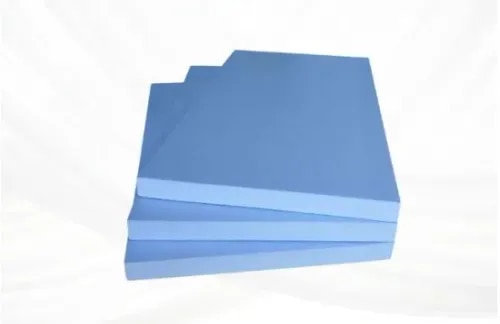
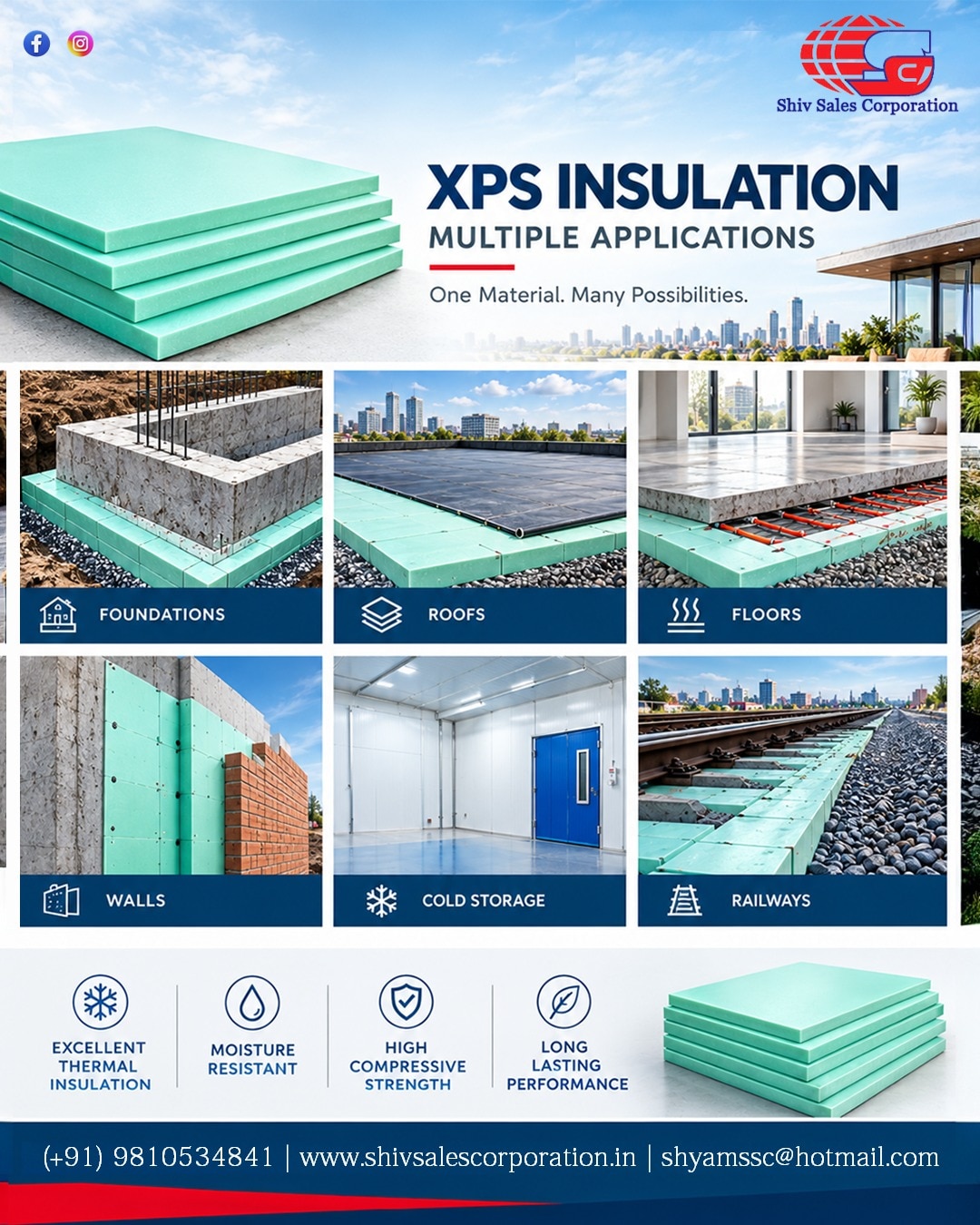
Choose XPS by the project build-up, not by density alone. Confirm the declared thickness, compressive-strength class, edge profile and surface finish against the load and finish: a roof beneath pavers, floor below screed, foundation wall and external facade need different specifications.
Printed compressive stress is not automatically the allowable long-term load; review creep, temperature, moisture, safety factors and finish weight. Pedestals, sleepers, plant…