

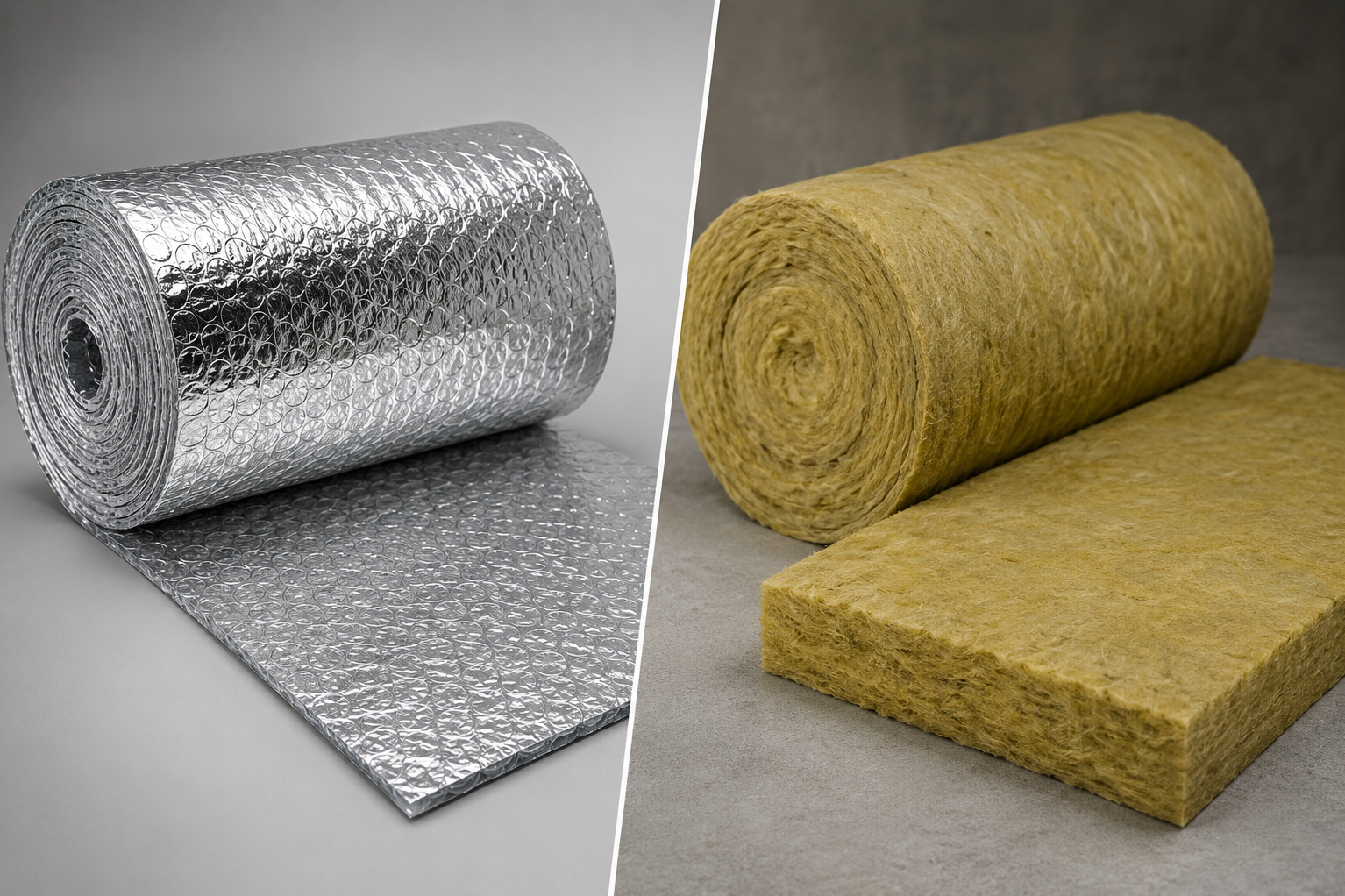
When a warehouse or industrial shed becomes excessively hot, insulation is often considered as part of the solution. Buyers may encounter reflective bubble foil insulation alongside conventional fibrous materials such as glasswool and rockwool.
These products do not operate in exactly the same way. Understanding their differences helps contractors, architects, and property owners choose a system that matches the building.
How Bubble Foil Insulation Works
Bubble foil insulation typically consists of reflective foil layers combined with a lightweight bubble structure.
Its reflective surface can reduce radiant heat transfer when an appropriate air space is maintained. This makes installation details particularly important.
It may be considered for:
- Metal roofs
- Warehouses
- Industrial sheds
- Utility structures
- Commercial spaces
- Selected building applications
Its performance depends on the product specification and installation arrangement.
How Fibrous Insulation Works
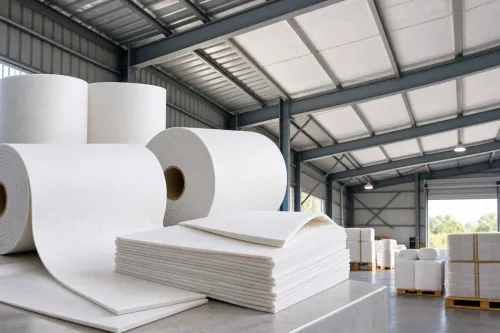
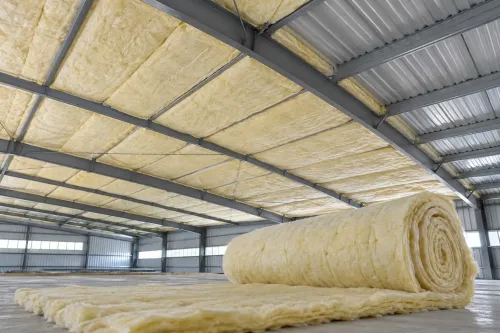
Glasswool and rockwool primarily reduce heat transfer through their fibrous structure.
They are available in different thicknesses and densities and can be used in walls, roofs, ceilings, ducts, and industrial applications.
Fibrous insulation generally provides a thicker thermal resistance layer than lightweight reflective products.
When Bubble Foil May Be Suitable
A reflective bubble insulation roll may be useful where a lightweight material is preferred or where available installation depth is limited.
It can be particularly relevant to some metal roof applications where radiant solar heat is a major concern.
Buyers should still check the product's thermal characteristics, facing, durability, installation requirements, and air-space requirements.
When Fibrous Insulation May Be Better
Glasswool or rockwool may be more suitable where a substantial thermal resistance layer is needed.
They can also contribute to acoustic performance when incorporated into an appropriately designed building assembly.
Industrial buyers should consider fire-related requirements, temperature conditions, installation space, and expected service life before making a selection.
Can Both Materials Be Used Together?
In some building systems, reflective and fibrous insulation can potentially be combined.
However, combining materials should be based on the complete roof or wall design. Adding multiple products without understanding their contribution can increase cost without delivering proportional performance benefits.
What Delhi Buyers Should Consider
Before selecting an insulation system, assess:
- Roof construction
- Solar exposure
- Indoor operating temperature
- Available insulation depth
- Ventilation
- HVAC requirements
- Fire and safety considerations
- Installation access
- Expected service conditions
Shiv Sales Corporation supplies different insulation categories for commercial and industrial requirements, allowing buyers to compare options based on their intended use.
Bubble foil and fibrous insulation should not be treated as universal substitutes. Reflective insulation can be useful for controlling radiant heat in suitable assemblies, while glasswool and rockwool can provide broader thermal resistance. The right decision depends on the building design and the performance required.