For a Delhi facility, the answer depends less on the roll price than on roof exposure, conditioned hours, existing HVAC demand, moisture control, and the insulation’s declared thermal performance. By the end, you can estimate whether RB slabs or building rolls deserve a retrofit budget, compare them with competing materials, and write a specification that survives technical and safety review.
Key takeaways
- Confirm whether RB material is glass wool or rock wool before comparing products.
- Calculate annual cooling savings against installed cost, maintenance, and expected service life.
- Use building rolls for continuous roof and wall coverage; use slabs where rigidity matters.
- Record thermal conductivity, density, thickness, fire data, batch number, and installation photos.
What RB slabs and building rolls actually are
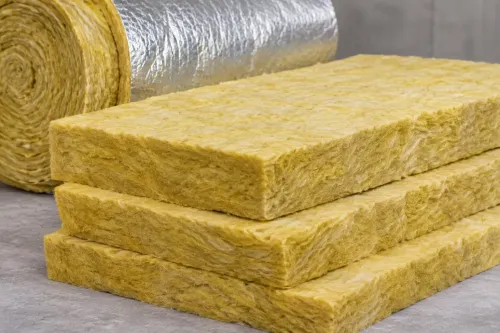
“RB” usually means resin-bonded mineral fibre, not a unique product grade. Confirm whether the fibres are glass wool or rock wool, because their thermal, acoustic, density, and fire properties differ. The fibres are formed into a mat and held with a thermosetting resin; the supplier should state the product’s declared thermal conductivity and density.
A building roll is a flexible, lightly bonded mattress supplied coiled. It is suited to continuous roof or ceiling runs, but compression under hangers, ducts, or stored materials reduces its recovered thickness and thermal resistance.
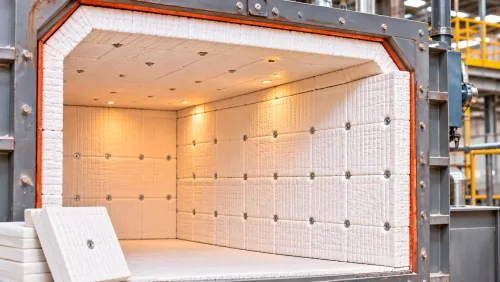
An RB slab is cut into rigid or semi-rigid panels, so it holds its shape better around partitions, equipment enclosures, and spaces needing mechanical support.
Ask for these physical specifications before comparing quotations:
- Fibre type, nominal density in kg/m³, thickness in millimetres, and declared thermal conductivity at the stated mean temperature
- Roll or slab length and width, plus recovered thickness after unpacking
- Facing, such as kraft paper, aluminium foil, glass tissue, or an unfaced finish, and whether it forms a vapour-control layer
- Fire-test classification, resin or binder description, water-repellent treatment, and permissible compression
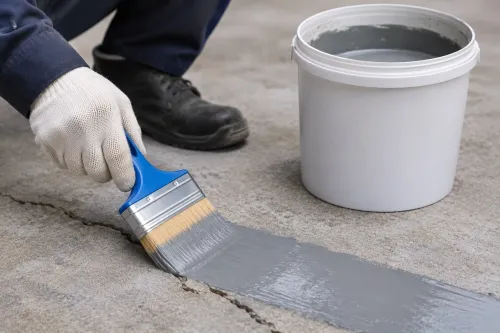
For building roll insulation for facilities in Delhi, do not treat “50 mm roll” as a complete specification. For RB slabs for commercial buildings, require the installed thermal resistance and facing details, not merely the product label. Neither product repairs leaks or replaces waterproofing.
Where insulation reduces Delhi facility heat flow
A Delhi facility gains the most from building rolls at the roof or ceiling, where solar heat drives a large conductive load into conditioned rooms. The main building roll insulation benefits are lower heat flow through the roof deck, reduced ceiling-surface temperatures, and less work for cooling equipment during occupied hours.
| Position | Best application | Result and limitation |
|---|---|---|
| Above the RB slab | Exposed roofs with a compatible waterproofing build-up | Creates a more continuous thermal barrier before heat reaches the slab; protect it from water, ultraviolet exposure, traffic, and maintenance damage. |
| Below the slab or above a false ceiling | Offices, warehouses, and retrofit projects | Easier to install without stripping the roof; the slab and ribs still absorb solar heat, so performance is usually lower than a continuous above-slab system. |
| Around ducts or equipment surfaces | Supply-air ducts, hot pipes, and selected equipment | Limits heat gain or loss along the insulated surface; it does not reduce heat entering through an uninsulated roof. |
| Inside partition or shed wall systems | Lightweight industrial enclosures and internal acoustic zones | Reduces heat transfer across the enclosed surface; detail fire protection, joints, and compression carefully. |
For building roll insulation for facility managers, location is only half the specification. Repair leaks and drainage defects first: covering a wet RB slab can trap moisture and hide recurring damage. Above-slab rolls need compatibility with the waterproofing system and protection from standing water; rolls beneath a ceiling need sealed joints and an inspection route.
During Delhi’s monsoon, reject wet or contaminated material rather than covering it. Ask for moisture-resistance data, storage instructions, and a replacement procedure. Specify installed thermal resistance and recovered thickness, not only “50 mm roll,” because compression changes the result.
How to calculate whether the retrofit is worth paying for
Estimate annual electricity savings first, then test the payback period: installed cost ÷ annual savings. Building roll insulation benefits are valuable only when the reduced roof heat flow produces lower HVAC electricity use.
1. Record the roof area in square metres, exposed roof orientation, conditioned floor area, indoor temperature settings, and the hours when cooling or heating operates.
2. Collect 12 months of electricity bills and HVAC data. Separate cooling-season and winter use if possible, then identify the share serving the insulated zone rather than ventilation, lighting, process equipment, or humidity control.
3. Estimate the roof-related saving: annual HVAC kWh × roof share of the HVAC load × expected percentage reduction in that roof load. Use measured post-installation data after comparable weather, not the insulation’s claimed heat reduction as an equal electricity saving.
4. Price two designs: rolls above the RB slab and rolls below the slab or above the ceiling. Include rolls, labour, waterproofing renewal, drainage repairs, supports, access protection, fire detailing, ceiling reinstatement, and maintenance access.
5. Calculate annual savings as estimated kWh reduction × your electricity tariff. Divide the complete installed cost by that figure; reject the retrofit when the result exceeds your required payback or relies on unverified savings.
Use a conservative case, a likely case, and a high-savings case. HVAC equipment can continue running at part load, and Delhi’s monsoon can reduce performance if insulation becomes wet. Building roll insulation for facilities in delhi is worth paying for when the measured bills, operating hours, and complete installation quote support the target payback.
How RB slabs compare with other insulation choices
Choose RB slabs or building rolls when you need broad, economical coverage above a roof slab or false ceiling and the main loss is conduction through that surface. Their building roll insulation benefits include easier fitting around services, lower structural load than rigid boards, and useful acoustic absorption.
They do not repair leaks or replace waterproofing.
| Option | What it does best | Choose it when |
|---|---|---|
| RB slabs or building rolls | Covers large roof or ceiling areas; adds thermal and acoustic control | The surface is dry, accessible, and you need economical coverage with minimal cutting |
| Glasswool | Lightweight fibrous insulation with sound absorption | Weight and acoustic performance matter, and the assembly can protect the fibres and facing |
| Rockwool | Mineral-wool insulation with stronger fire and acoustic potential | Fire detailing, higher temperature exposure, or robust acoustic control justifies its weight and cost |
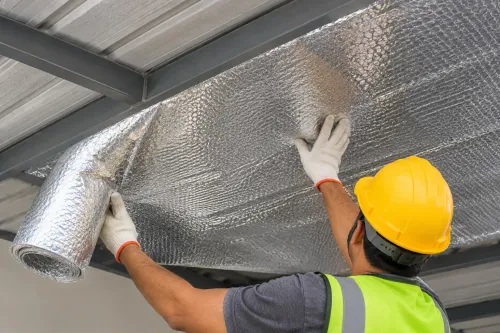
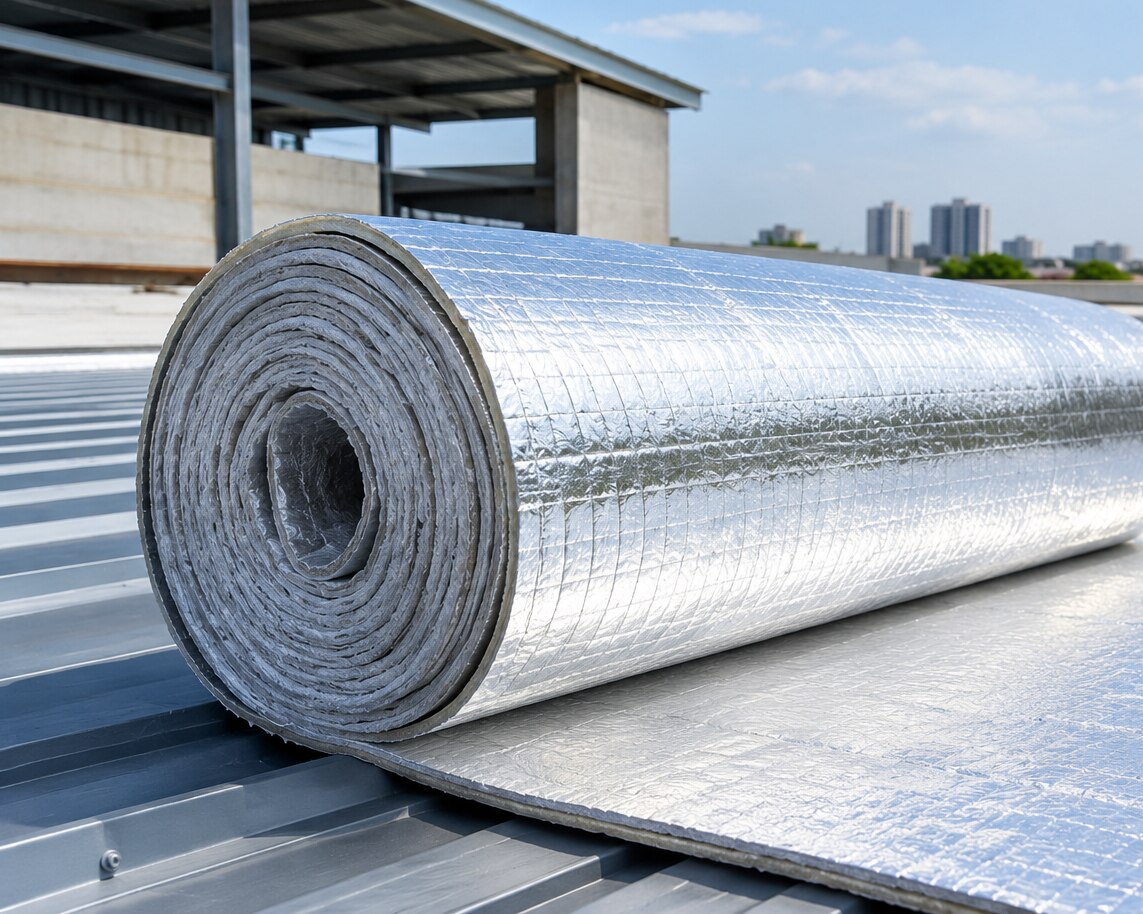
| Bubble insulation | Reflects radiant heat through an air gap | You have a clean, continuous radiant barrier location; do not treat it as a substitute for bulk insulation |
| XPS | Rigid, moisture-resistant board with compressive strength | You need insulation below a waterproofed roof, under a floor, or where loads and occasional moisture matter |
| Cross-linked polystyrene | Closed-cell, resilient sheet insulation | You need thin, moisture-tolerant insulation around equipment or details, not loose-fill roof coverage |
| Reflective paint | Changes surface solar absorption | The roof needs a coating, but expect limited benefit without added insulation |
| No added insulation | Avoids retrofit cost | The roof is unconditioned, HVAC runs briefly, or payback fails after waterproofing and access costs |
For Delhi’s composite climate, evaluate summer cooling and winter heating, not summer peak alone. Choose the tested assembly—not merely a “fire-resistant” product—when facings, supports, penetrations, or waterproofing layers affect performance. Wet rolls after monsoon exposure must be removed or replaced, not covered.
What to specify, inspect, and document before approval
Do not approve a quote that says only “50 mm insulation roll.” For building roll insulation for facility managers, require the installed thermal resistance or ECBC envelope target, recovered thickness after installation, fire classification, facing, vapour-control details, and permissible compression. Delhi is a composite climate, so assess winter heat loss as well as summer cooling.
- Request the manufacturer’s datasheet, thermal-conductivity test report, thickness and density tolerances, declared R-value or U-value, service-temperature range, and installation method. Confirm whether ECBC 2017 applies to your facility; its usual commercial threshold is 100 kW connected load or 120 kVA contract demand, subject to Delhi’s approval pathway.
- Require a fire test report naming the classification and test method, plus details of the facing. Do not treat an aluminium or foil surface as proof that the fibre core is fire-rated.
- Ask for water-repellency or moisture-resistance data, packaging and storage limits, and a written replacement procedure. Repair roof leaks first; never cover wet or contaminated rolls.
- Put installation controls in the purchase order: dry substrate, continuous support, sealed joints, protected penetrations, minimum recovered thickness, permitted compression, and inspection photographs before closing the ceiling or roof void.
- Record manufacturer, batch number, delivery date, roll dimensions, quantity, test documents, warranty terms, and installer identity. Shiv Sales Corporation should provide these records when its building rolls are being evaluated for building roll insulation for facilities in delhi.
| Check | Accept only when | Record or reject |
|---|---|---|
| Thermal | Declared installed value matches design | Approval calculation |
| Fire | Classification and test method are named | Report number |
| Moisture | Storage and wet-replacement procedure exists | Site inspection |
| Installation | Thickness and compression are measured | Photographs and sign-off |
Related products
 | RB SLABS Shiv Sales Corporation is known for offering high-quality building rolls designed to provide efficient insulation solutions for different... View product → |
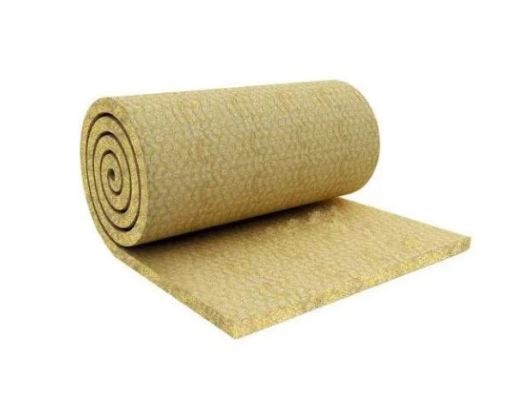 | RB SLABS Shiv Sales Corporation is known for offering high-quality building rolls designed to provide efficient insulation solutions for different... View product → |
Frequently asked questions
What are RB slabs and building rolls?
RB usually means resin-bonded mineral fibre. Building rolls are flexible mats suited to continuous roof or wall coverage, while RB slabs are more rigid and hold their shape in defined sections. Confirm whether the fibres are glass wool or rock wool, then compare declared thermal conductivity, density, thickness, and fire performance.
Where does insulation reduce heat flow in a Delhi facility?
Prioritise the roof, exposed walls, ceiling beneath an unconditioned roof, ducts, chilled-water lines, and other hot surfaces. Roof insulation often deserves early attention because it receives intense solar exposure, but an inspection should identify the largest uninsulated or poorly sealed areas first.
How do you calculate whether a building insulation retrofit is worth paying for?
Estimate the reduction in cooling load, multiply it by operating hours and electricity cost, then subtract added maintenance and replacement costs. Divide the installed project cost by annual net savings to estimate simple payback, and test the result against hotter summers, occupancy changes, energy-price changes, and the product's expected service life.
How do RB slabs compare with other insulation choices?
RB slabs and rolls suit many roofs, walls, ducts, and acoustic applications, but rigid boards can offer better compressive strength or moisture resistance where the assembly requires it. Closed-cell elastomeric insulation suits many chilled-water and HVAC surfaces, while rigid PIR or phenolic boards provide high thermal resistance in limited thickness. Compare the complete assembly, including vapour control, fire behaviour, moisture exposure, mechanical protection, and installation quality.
What should you specify and inspect before approving insulation?
Specify fibre type, thickness, density, declared thermal conductivity, temperature range, fire classification or test report, facing, dimensions, tolerances, and intended application. Inspect packaging, labels, batch number, thickness, damage, moisture, joints, fasteners, vapour barriers, and penetrations; retain the technical data sheet, delivery records, approvals, inspection checklist, and installation photographs.
Related product
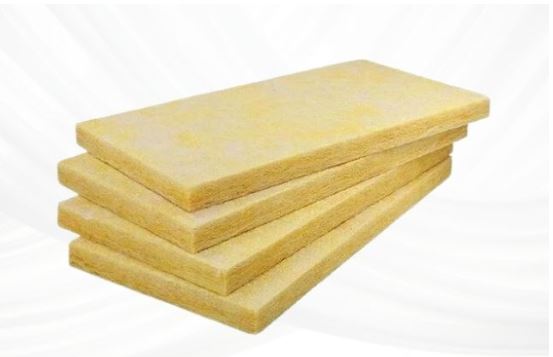 | RB SLABS Shiv Sales Corporation is known for offering high-quality building rolls designed to provide efficient insulation solutions for different... View product → |
Keywords