

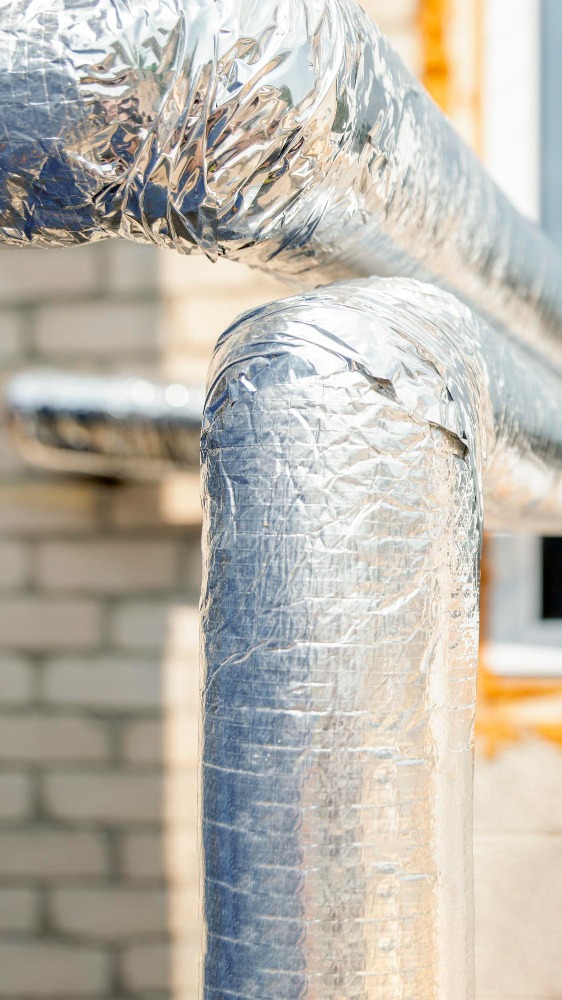
Industrial facilities often contain equipment and processes that generate significant heat. Furnaces, boilers, process lines, ovens, tanks, ducts, and machinery can all create thermal challenges. Industrial thermal insulation helps control heat transfer and can support process efficiency, equipment protection, energy management, and workplace safety.
Unlike ordinary building insulation, industrial applications can involve a wide range of operating temperatures and environmental conditions.
Why Industrial Insulation Is Important
In a manufacturing environment, insulation can serve several purposes at the same time.
It may help:
- Reduce heat loss
- Maintain process temperatures
- Limit heat gain
- Lower surface temperatures
- Protect nearby workers
- Reduce unwanted heat radiation
- Improve thermal stability
- Support energy efficiency
The actual benefit depends on the material specification and installation quality.
Temperature Determines Material Selection
One of the first questions for an industrial buyer should be the operating temperature.
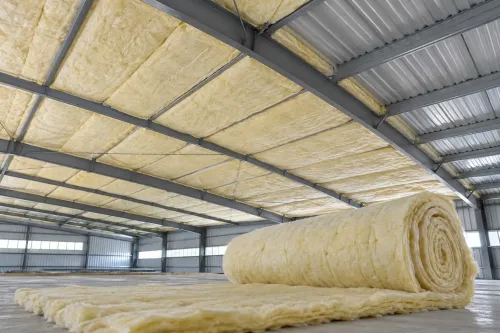
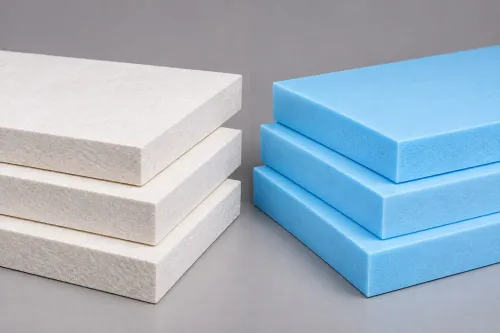
Glasswool and rockwool can be suitable for many building and industrial thermal applications, depending on their technical specifications.
For significantly higher-temperature environments, ceramic fibre insulation may be more appropriate.
Selecting material solely according to cost can create performance problems if the product is unsuitable for the operating temperature.
Common Industrial Applications
Thermal insulation may be required around:
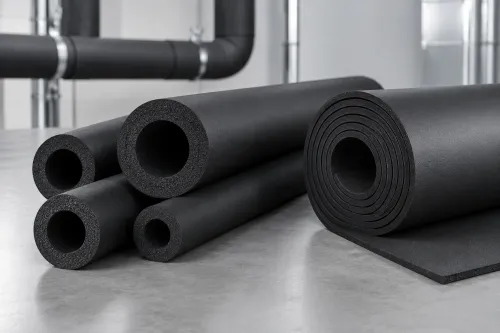
- Process piping
- Boilers
- Furnaces
- Ovens
- Storage tanks
- HVAC ducts
- Process equipment
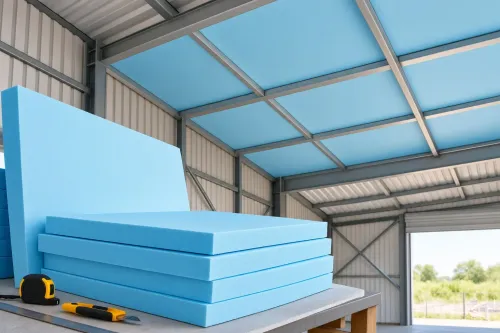
- Industrial roofs
- Mechanical rooms
Each application presents different installation requirements.
A pipe may require a flexible insulation configuration, while a furnace may require a high-temperature ceramic fibre system.
Problems Caused by Poor Insulation
Uninsulated equipment can continuously lose heat. In a facility operating for long hours, these losses can accumulate.
High surface temperatures can also create uncomfortable or potentially hazardous conditions for workers operating near equipment.
Poor insulation may contribute to:
- Increased heat loss
- Greater energy demand
- Unwanted heat radiation
- Higher surface temperatures
- Process temperature fluctuations
- Reduced workplace comfort
A correctly specified insulation system can address some of these issues.
What Industrial Buyers Should Check
Before ordering, buyers should establish:
- Operating temperature
- Surface temperature
- Required insulation thickness
- Thermal conductivity
- Material compatibility
- Moisture exposure
- Mechanical conditions
- Fire-related requirements
- Installation method
- Maintenance requirements
Technical documentation should be reviewed carefully, particularly for specialized applications.
Industrial Requirements in Delhi
Delhi and NCR have a diverse industrial base that includes manufacturing facilities, engineering units, warehouses, HVAC installations, and processing plants.
Because operating conditions vary significantly between industries, insulation procurement should begin with a clear application specification.
Shiv Sales Corporation supplies insulation materials for industrial and commercial applications, helping project teams assess materials based on actual operating conditions.
Industrial thermal insulation works best when material selection, thickness, installation, and maintenance are considered together. A product that is suitable for a warehouse roof may not be appropriate for a high-temperature furnace, even though both are described as insulation applications.
Starting with the operating environment helps industrial buyers make a more technically sound purchasing decision.