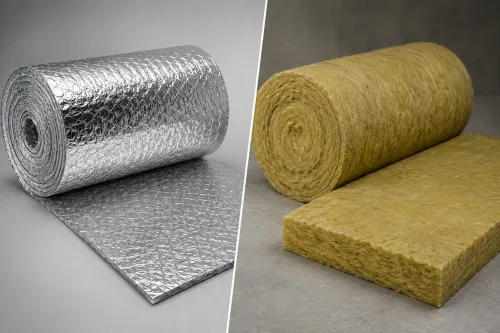
Bubble Foil Insulation vs Fibrous Insulation: Which Is Better?
When a warehouse or industrial shed becomes excessively hot, insulation is often considered as part of the solution. Buyers may encounter reflective bubble foil insulation alongside conventional fibrous materials such as glasswool and rockwool.
These products do not operate in exactly the same way. Understanding their differences helps contractors, architects, and property owners choose a system that matches the building.
How Bubble Foil Insulation Works
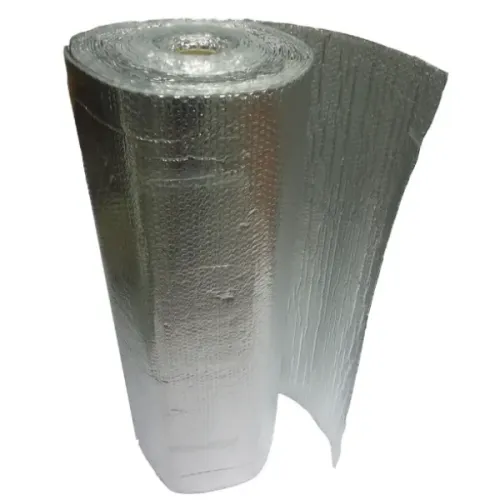
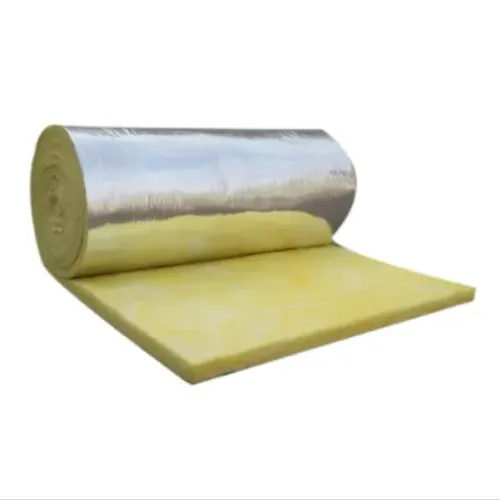
Bubble foil insulation typically consists of reflective foil layers combined with a lightweight bubble structure.
Its reflective surface can reduce radiant heat transfer when an appropriate air space is maintained. This makes installation details particularly important.
It may be considered for:
- Metal roofs
- Warehouses
- Industrial sheds
- Utility structures
- Commercial spaces
- Selected building applications
Its performance depends on the product specification and installation arrangement.
How Fibrous Insulation Works
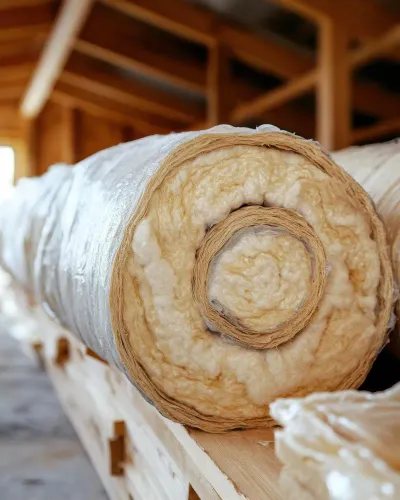
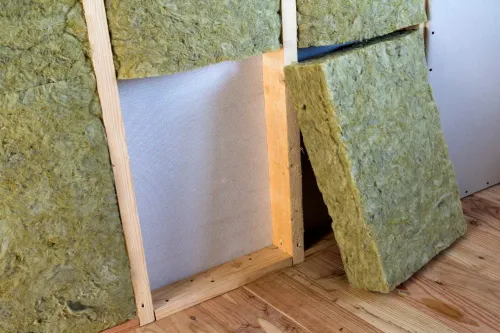
Glasswool and rockwool primarily reduce heat transfer through their fibrous structure.
They are available in different thicknesses and densities and can be used in walls, roofs, ceilings, ducts, and industrial applications.
Fibrous insulati…
Read update