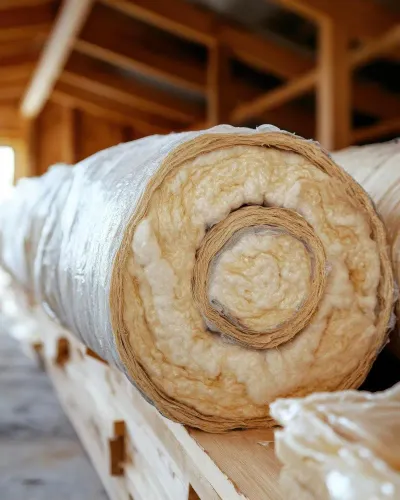


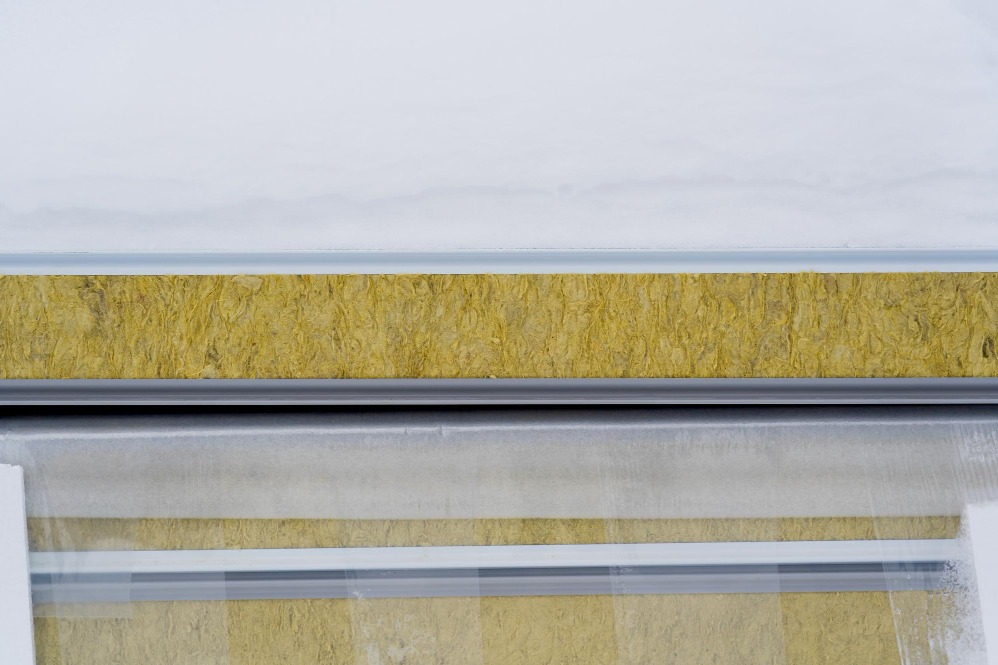
Roofing is one of the most important areas to consider when a building experiences excessive indoor heat. This is particularly true for metal-roofed factories, warehouses, workshops, and commercial sheds exposed to Delhi's intense summer temperatures. Glasswool insulation for roofing can help create a thermal barrier between the external roof and the occupied space.
For contractors, selecting the right material involves more than checking the insulation thickness. Roof construction, installation method, thermal requirements, and environmental exposure all need to be considered.
Why Metal Roofs Need Insulation
Metal sheets can heat up quickly under direct sunlight. Because metal conducts heat efficiently, some of this heat can pass toward the underside of the roof and increase indoor temperatures.
The effect can become significant in large buildings where the roof represents a substantial portion of the building envelope.
Roof insulation can help:
- Reduce heat transfer
- Improve indoor thermal comfort
- Reduce thermal load on cooling systems
- Support more consistent indoor temperatures
- Improve conditions in industrial workspaces
Actual results depend on the entire building design and operating conditions.
Selecting Glasswool for a Roof
Before ordering glasswool, contractors should examine the roofing system. A metal sheet roof, composite roof, false ceiling arrangement, or specialized industrial roofing system may require different insulation configurations.
Key factors include:
- Roof material
- Available installation space
- Required insulation thickness
- Product density
- Thermal conductivity
- Facing requirements
- Moisture exposure
- Fixing method
- Maintenance access
A product should be selected according to the complete roof assembly rather than its price per square metre alone.
Installation Quality Matters
Even good-quality insulation can lose effectiveness if installed incorrectly.
Common installation problems include gaps between sections, compressed insulation, poorly treated joints, damaged facing, and inadequate detailing around pipes or other roof penetrations.
Contractors should maintain continuity of the insulation layer wherever possible. Open gaps can create thermal weak points that reduce overall performance.
Areas around electrical services, ducts, structural members, skylights, and other penetrations should be planned during installation rather than treated as last-minute adjustments.
How Glasswool Compares With Other Materials
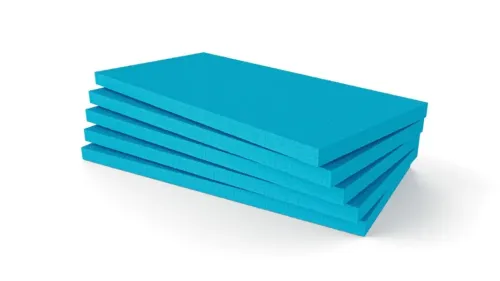
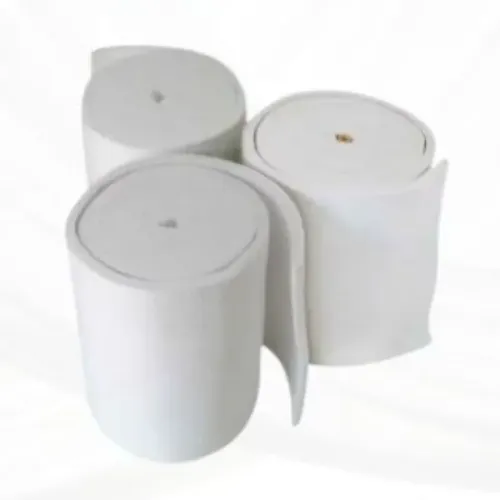
Glasswool is one option among several insulation categories. Rockwool, XPS boards, reflective bubble insulation, and ceramic fibre products can serve different purposes.
For example, reflective bubble insulation works primarily by reducing radiant heat transfer when correctly installed with an air space. XPS provides a rigid board format and can be useful where compressive strength and moisture resistance are important. Ceramic fibre is intended for much higher-temperature environments.
The right selection therefore depends on the application.
Delhi Roofing Projects
Roof insulation is especially relevant for industrial and commercial properties in Delhi because summer solar exposure can significantly increase indoor heat levels.
Contractors working across Delhi and NCR should ideally consider insulation during the roofing design stage. This helps avoid unnecessary modifications after construction.
Shiv Sales Corporation supplies insulation materials for different building and industrial applications, allowing project teams to assess products based on roof type, thermal requirements, installation conditions, and project scale.
A successful roof insulation project depends on three things: selecting the right product, specifying the appropriate thickness, and installing it correctly. Treating these as one system helps contractors achieve more consistent thermal performance.