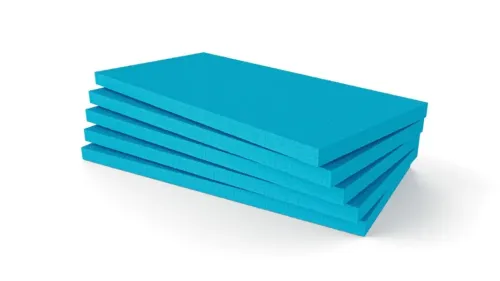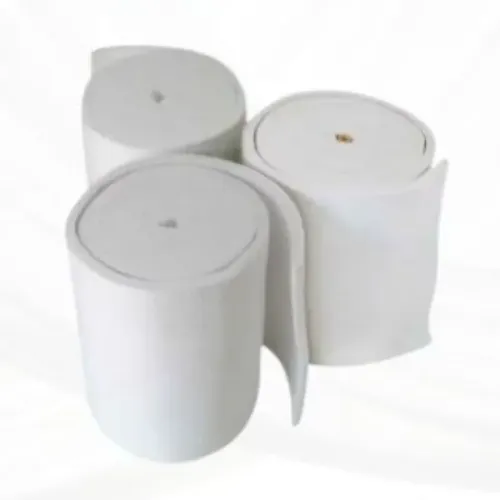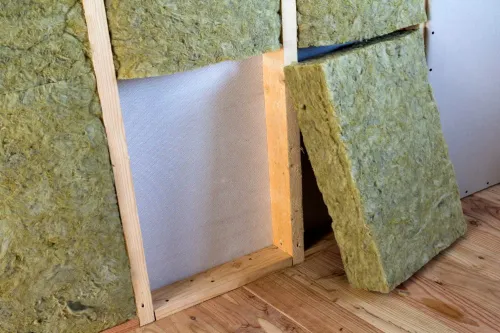


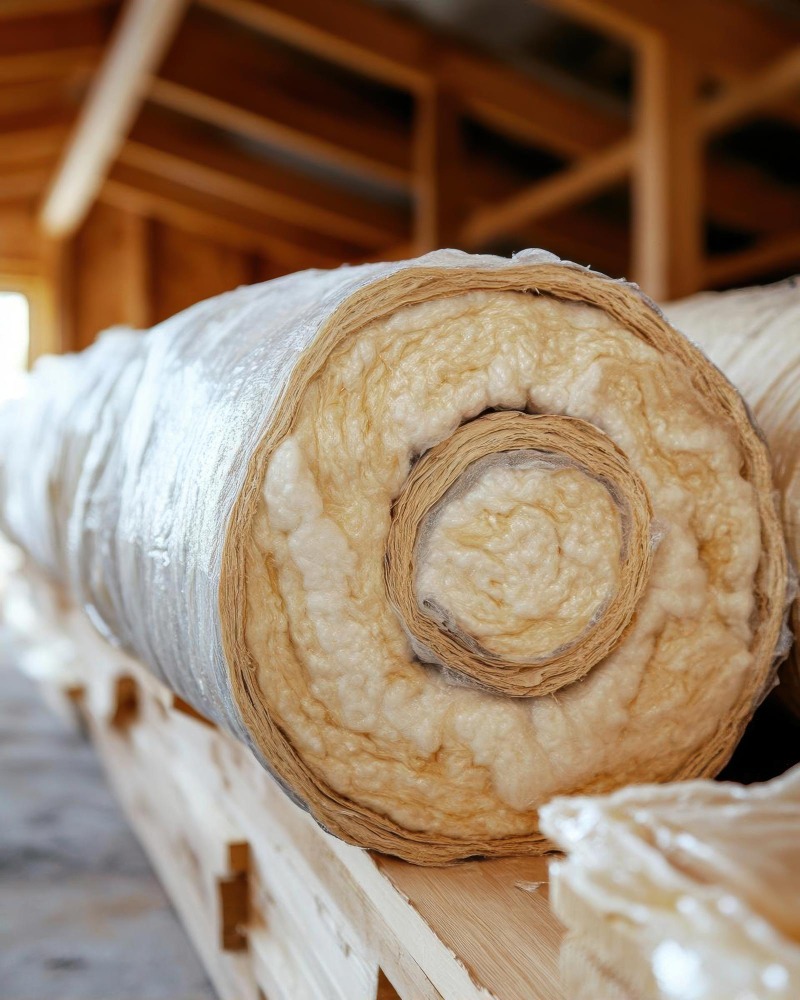
Buildings in Delhi experience significant temperature changes throughout the year. Hot summers can cause roofs and walls to absorb considerable heat, while winter conditions can increase heat loss from poorly insulated spaces. Glasswool insulation material provides a practical way to reduce unwanted heat transfer and improve the thermal performance of different building structures.
Glasswool is manufactured using fine glass fibres that form a lightweight, fibrous structure. These fibres trap air and create resistance to heat movement. Depending on its density, thickness, facing, and installation method, glasswool can be used across commercial buildings, warehouses, factories, offices, industrial sheds, ceilings, partitions, and HVAC systems.
How Glasswool Insulation Works
Heat naturally moves from warmer areas toward cooler areas. Without adequate insulation, heat from an exposed roof can move into an occupied building during summer. In winter, indoor heat can escape through roofs, walls, and other poorly insulated surfaces.
Glasswool creates a thermal barrier that slows this transfer. Its effectiveness depends on several factors, including:
- Insulation thickness
- Product density
- Thermal conductivity
- Installation quality
- Moisture conditions
- Building construction
- Air leakage
- Roof or wall design
Simply installing insulation without considering these factors may not deliver the expected performance.
Why Roof Insulation Matters
Roof surfaces receive direct solar radiation, particularly during Delhi's summer months. Metal roofing can become especially hot because metal conducts heat efficiently.
Glasswool installed as part of an appropriate roofing system can reduce the amount of heat transferred from the roof into the occupied area. This can improve indoor comfort and potentially reduce the thermal burden placed on cooling systems.
The benefits can be particularly relevant for warehouses, factories, workshops, logistics facilities, and large commercial sheds.
Applications of Glasswool
Glasswool can be considered for several building and industrial applications, including:
- Roof insulation
- Ceiling insulation
- Wall partitions
- HVAC duct insulation
- Industrial buildings
- Commercial properties
- Warehouses
- Lightweight metal structures
The correct product should be selected according to the specific application rather than treating every project in the same way.
Choosing the Right Product
Buyers should compare technical specifications before purchasing glasswool. Important considerations include required thickness, density, thermal conductivity, facing, fire performance, installation method, and environmental exposure.
For large projects, architects and contractors should evaluate the complete roof or wall assembly. Insulation performance depends on how the material interacts with other building components.
Shiv Sales Corporation supplies insulation materials for building and industrial requirements, helping contractors, architects, and industrial buyers evaluate products according to their intended application.
Local Considerations in Delhi
Delhi's construction environment includes commercial buildings, factories, warehouses, institutional properties, and large industrial sheds. These structures have different thermal requirements, so insulation specifications should be developed according to the actual building conditions.
A properly selected glasswool system can help reduce heat transfer and contribute to improved indoor thermal comfort. When material selection, thickness, installation, and building design are considered together, insulation becomes an important part of an efficient building envelope.