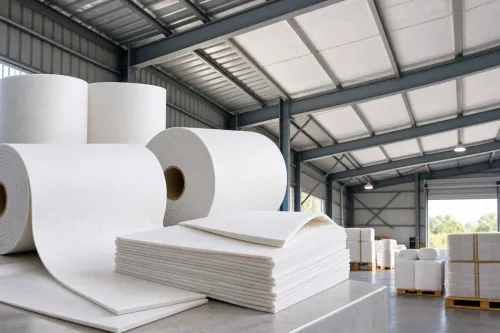
High-temperature equipment requires insulation that can withstand demanding operating conditions. Furnaces, kilns, ovens, and heat treatment systems can generate temperatures far beyond those found in ordinary commercial buildings.
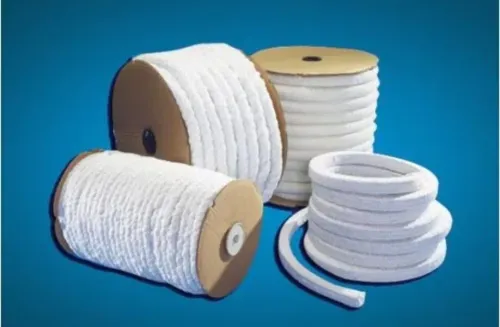
High-temperature ceramic fibre insulation is designed for such specialized environments, where thermal resistance, low weight, and installation flexibility can be important.
Where Is Ceramic Fibre Used?
Ceramic fibre products can be considered for several high-temperature industrial applications, including:
- Furnace linings
- Kiln insulation
- Industrial ovens
- Heat treatment units
- Furnace doors
- High-temperature ducts
- Thermal barriers
- Boiler-related applications
The exact grade and thickness should be determined according to the operating conditions.
Why Temperature Is the Starting Point
Insulation selection should begin with the actual operating temperature.
A material suitable for a warehouse roof cannot automatically be used around a furnace. Similarly, selecting an extremely high-temperature material for a simple building application may create unnecessary cost.
Industrial buyers should identify both normal operating temperature and maximum temperature exposure.
Other factors include the duration of exposure and whether the equipment experiences repeated heating and cooling cycles.
Benefits of Ceramic Fibre Insulation
Ceramic fibre insulation can offer several useful characteristics for suitable applications.
Low Thermal Mass
Its lightweight structure can help reduce the amount of material that needs to be heated during equipment operation.
Flexible Form
Blanket products can be adapted to certain curved or irregular surfaces, making installation practical in selected equipment configurations.
High-Temperature Capability
Specific ceramic fibre grades are designed to withstand elevated temperatures within their rated operating limits.
Reduced Heat Transfer
When correctly installed, the material can reduce heat movement through insulated equipment surfaces.
Selection Factors
Before placing an order, industrial buyers should establish:
Operating temperature: Determine the normal and maximum temperatures.
Thickness: Select according to the required thermal performance and equipment design.
Density: Different applications may require different product characteristics.
Surface geometry: Curved, flat, or irregular surfaces can influence installation.
Mechanical conditions: Areas subject to vibration, abrasion, or movement may require special consideration.
Maintenance: Access and replacement requirements should be considered during design.
Installation Matters
Even specialized high-temperature insulation needs appropriate installation.
Gaps, excessive compression, damaged sections, poor joints, or unsuitable fixing methods can reduce the effectiveness of the insulation system.
The surrounding equipment should also be assessed for movement and thermal expansion.
Ceramic Fibre Compared With Other Insulation
Ceramic fibre is not a replacement for every insulation material.
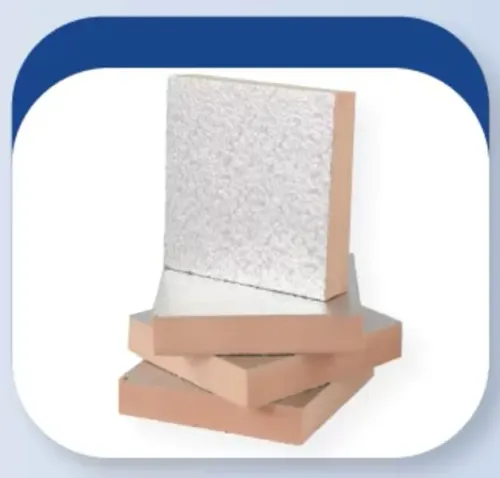
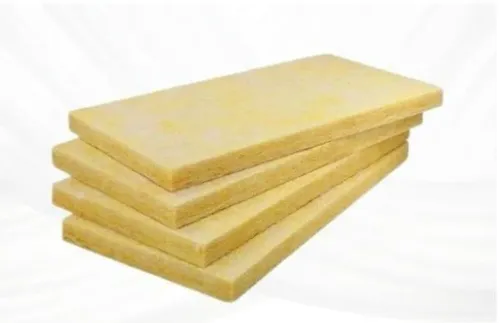
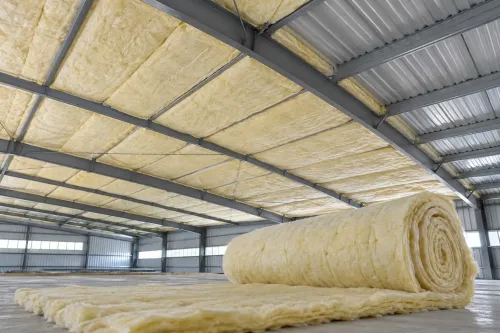
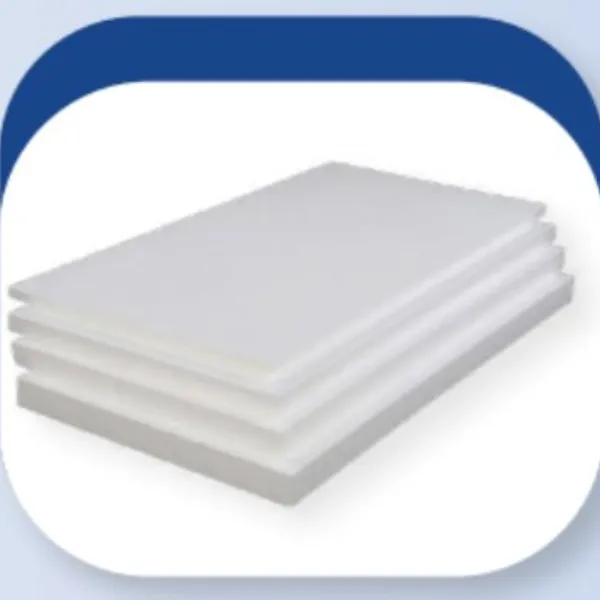
Glasswool is commonly used in building and general industrial applications. Rockwool can serve thermal and acoustic requirements in many commercial and industrial assemblies. XPS boards are rigid insulation products used for different building applications.
Ceramic fibre becomes relevant when the operating temperature and application demand a high-temperature insulation solution.
Delhi and NCR Industrial Applications
Engineering and manufacturing facilities around Delhi and NCR may operate furnaces, ovens, heat treatment equipment, and other thermal systems.
For such projects, procurement should be based on technical specifications rather than generic insulation categories.
Shiv Sales Corporation supplies insulation materials for industrial requirements, helping project teams evaluate appropriate options according to application and operating conditions.
High-temperature ceramic fibre insulation should always be selected according to the actual thermal environment. When temperature, thickness, density, equipment design, and installation conditions are evaluated together, the resulting insulation system is more likely to provide consistent and dependable performance.
Keywords