Selecting an insulation material supplier is an important procurement decision for contractors, builders, architects, HVAC consultants, and industrial buyers. Large projects may require multiple insulation categories, specific thicknesses, technical documentation, and coordinated deliveries.
Choosing a supplier based only on the lowest quoted price can create problems later if the material does not match the application or project schedule.
Start With the Application
The first step is to identify exactly what needs to be insulated.
A supplier may be asked to provide materials for:
- Industrial roofs
- Warehouses
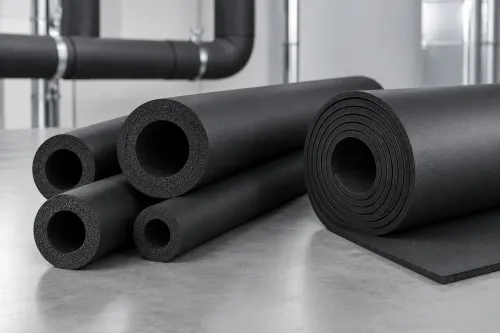
- HVAC ducts
- Factory walls
- Commercial buildings
- Furnaces
- Ovens
- Process equipment
- Floors
- High-temperature systems
Each application can require a different insulation category.
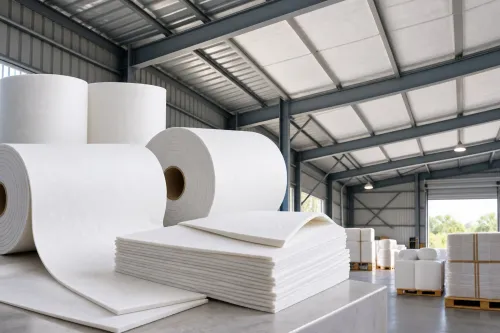
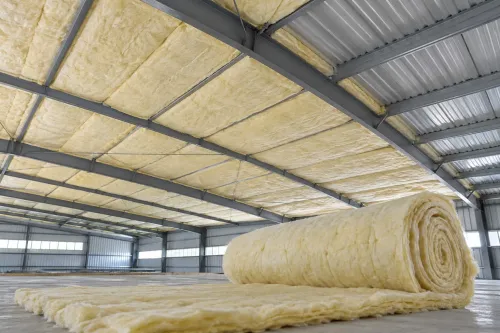
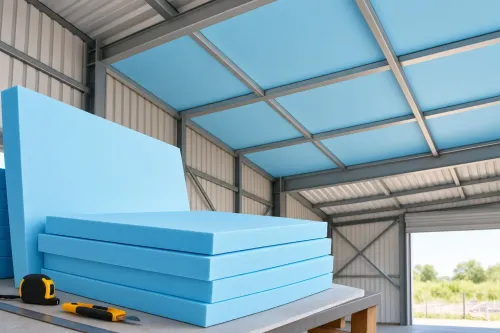
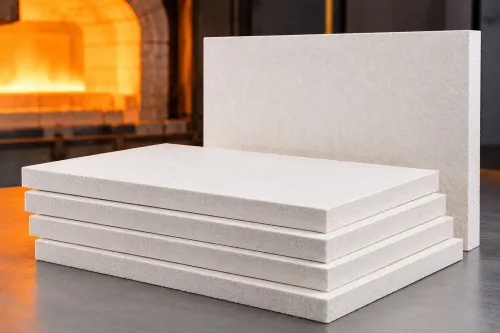
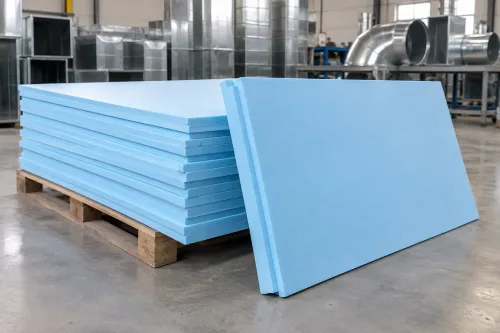
For example, glasswool may be appropriate for selected roofing and building applications, while rockwool slabs can suit certain rigid mineral fibre assemblies. XPS boards are relevant to selected construction applications, and ceramic fibre is associated with high-temperature industrial systems.
Evaluate Product Range
A supplier with access to multiple insulation categories can be useful for projects with varied requirements.
Depending on the application, buyers may need:
- Glasswool insulation
- Rockwool insulation
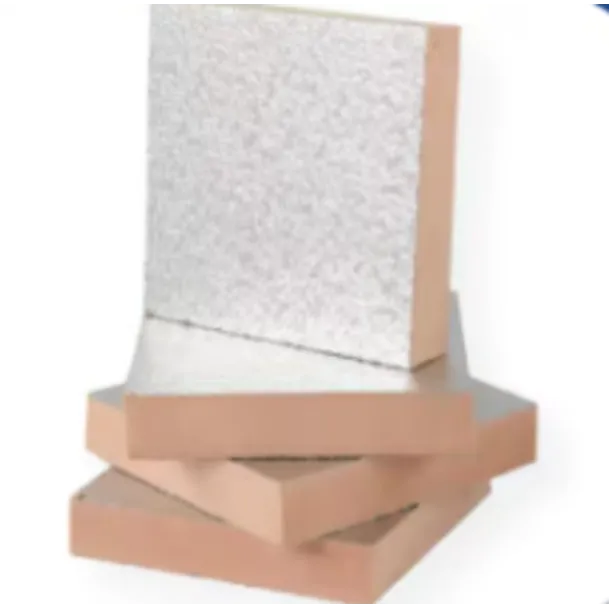
- Bubble foil insulation
- Reflective insulation rolls
- Ceramic fibre blankets
- XPS boards
- Other specialized insulation products
A broader range can simplify procurement when multiple areas of a project need different materials.
Check Technical Information
Price should not be the only comparison point.
Ask for relevant technical information covering:
- Thermal conductivity
- Thickness
- Density
- Dimensions
- Temperature limits
- Fire performance
- Moisture characteristics
- Installation requirements
- Product format
- Intended applications
This information allows architects and contractors to compare products based on performance rather than appearance or cost alone.
Consider Project Quantity
Large industrial projects can require significant quantities of insulation.
Before finalizing a supplier, buyers should confirm:
- Available stock
- Production or procurement lead time
- Packaging
- Delivery schedule
- Minimum order quantities
- Replacement availability
- Ability to supply repeated quantities
Material delays can affect multiple stages of construction, so procurement planning should begin early.
Supplier Support Matters
A useful supplier should be able to understand the application being discussed.
For example, a buyer asking for insulation for a furnace should provide the operating temperature, surface configuration, and required insulation thickness. A supplier can then help identify products that correspond to those requirements.
The same approach applies to warehouse roofs, HVAC systems, industrial walls, and commercial construction.
Delhi and NCR Procurement
Delhi is surrounded by a large industrial and commercial market extending into the wider NCR region. Contractors and builders often manage projects with tight construction schedules and multiple material requirements.
Local supplier coordination can make it easier to manage quantities, deliveries, product selection, and project-specific requirements.
Shiv Sales Corporation supplies insulation materials for building, HVAC, and industrial applications, supporting contractors, builders, architects, warehouse owners, and industrial buyers in Delhi.
A Practical Supplier Selection Checklist
Before placing a major insulation order, confirm:
- Does the supplier offer the required material category?
- Are technical specifications available?
- Does the product match the operating conditions?
- Can the required quantity be supplied?
- Are delivery timelines suitable?
- Is the material available in the required dimensions?
- Can different insulation products be sourced for the same project?
- Are installation requirements clearly understood?
The right supplier is not simply the one offering the lowest initial quotation. A dependable procurement decision considers product suitability, technical specifications, availability, delivery coordination, and application support.
For industrial and commercial projects, those factors can help reduce material mismatches, avoid unnecessary delays, and create a smoother insulation installation process.
Keywords