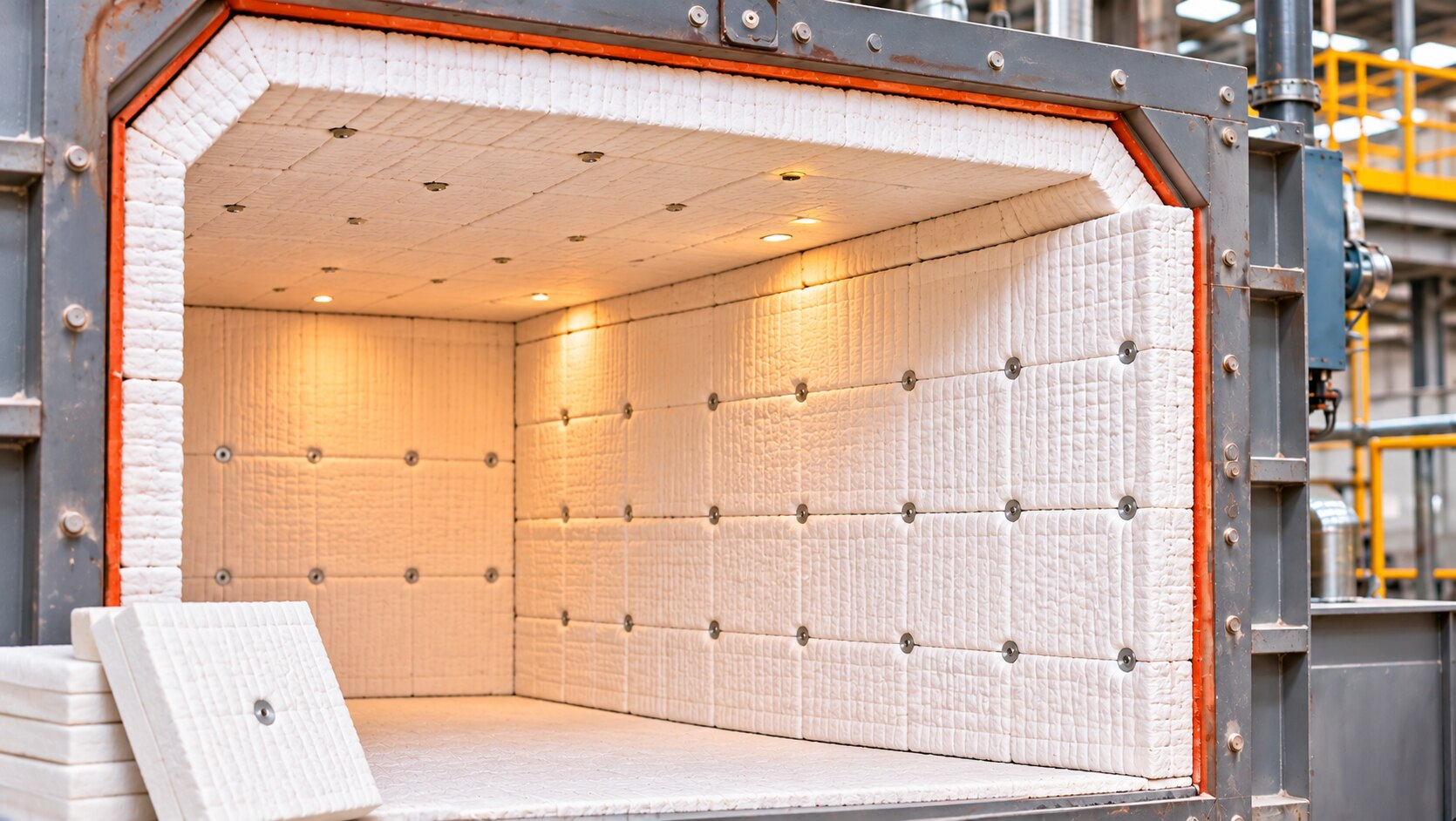
A ceramic module lining is installed only after the furnace is cooled, isolated, opened up, and checked for shell damage, failed anchors, contamination, and distorted steel. By following the installation sequence, you can understand how modules are measured, fixed, detailed around penetrations, inspected, and brought back into service without creating hidden gaps or unsafe working conditions.
Key takeaways
- Record furnace dimensions, temperatures, atmosphere, openings, and abrasion zones before installation.
- Match anchors and module layout to the shell, operating temperature, and furnace movement.
- Detail burners, doors, ports, roof transitions, and joints before fitting begins.
- Commission gradually and verify the installer’s furnace-lining experience, drawings, and inspection records.
How the furnace is prepared before ceramic modules arrive
1. Before fitting begins, record the furnace length, width, height, operating temperature, atmosphere, burner arrangement, doors, ports, flues, roof transitions, and zones exposed to abrasion or impact. This survey anchors the ceramic module installation process in Delhi to the actual furnace rather than a generic lining plan.
2. Shut down the furnace, let it cool, and isolate fuel, electrical, hydraulic, and pneumatic energy sources. Confirm access routes, confined-space controls, hot-work permits, ventilation, lighting, and protection for nearby production equipment before removing the old lining.
3. Control ceramic-fiber dust with local extraction or a suitable wet method when the equipment permits it. Use the product safety data sheet to select respiratory and eye protection, gloves, protective clothing, and cleanup methods; avoid dry sweeping and compressed-air blowdown.
4. After removal, inspect the steel shell for corrosion, distortion, sharp projections, oil, dust, loose refractory, failed anchors, leakage, and hot-spot evidence. Do not install modules over friable lining, scale, or contamination. Repair the casing first, because a module lining follows the shell and cannot correct structural distortion or seal leaks.
Record and resolve defects before measuring the final lining area.
How installers measure the shell, select the lining, and plan the joints
Installers establish quantity and layout from the measured furnace shell, not its nominal capacity. The survey and drawing record:
- Furnace length, width, height, curved sections, roof radius, door and burner openings, and every hot-face setback.
- Hot-face dimensions separately from backup insulation space, shell clearances, anchor positions, and expansion allowances.
- Density, fiber chemistry, module dimensions, folding direction, shrinkage data, classification or maximum-use temperature, anchor arrangement, and packing condition.
Quantity uses each folded module’s actual coverage, with separate allowances for corners, cut pieces, damaged material, and end closures. The layout starts at a datum row, corner, or centreline—not the easiest accessible area. That discipline matters in ceramic module installation in Delhi, where an improvised start can leave the final course with open-through gaps.
Installers stagger joints, compress each module against its neighbour, and follow the specified compression direction. This keeps the hot face continuous and prevents thermal bridges. A printed temperature rating is not a guaranteed continuous operating temperature; design must also address alkalis, hydrogen or reducing gases, flame velocity, molten splashes, abrasion, and thermal cycling.
Do not select modules by temperature alone. Blanket suits flexible gaps, board suits rigid or shaped backing, and castable suits impact resistance or wet refractory repairs. The selected lining also needs compatible surface protection and backup insulation when the atmosphere or mechanical exposure can attack aluminosilicate fiber.
How anchors and ceramic modules are fixed to the furnace shell
1. Mark the approved stud, pin, or threaded-hardware layout on the furnace shell from the lining drawing. Check that each anchor’s material suits the service temperature, furnace atmosphere, lining thickness, and attachment method; ordinary mild-steel fasteners can oxidise, scale, and lose retention.
2. Inspect welded studs for position, weld attachment, exposed length, and interference with the module mounting face. A loose, misplaced, or overlong stud must be corrected before ceramic module fitting in Delhi proceeds.
3. Install the first row from the specified datum, then work through adjacent walls, roof areas, corners, and end closures. Follow the planned sequence rather than starting at the easiest access point, and preserve access to removable hardware.
4. Open, unfold, or compress each module only in the manufacturer’s specified direction. Do not cut away the mounting face, pull the fiber pack apart around an anchor, or fill visible gaps randomly with loose blanket; those shortcuts can create open-through paths, hot spots, and air leakage.
5. Press modules firmly against their neighbours so joints stay closed after installation, maintaining compression around corners and transitions. Keep metal from reaching the hot face, and replace any damaged module, torn mounting face, incorrect fold, or loose anchor before closing the next area.
How installers detail burners, ports, doors, joints, and roof sections
A full module is never forced against a complicated penetration. The installer measures each feature from the furnace drawing and on the shell, then transfers those dimensions to purpose-cut modules, closures, and protection details.
1. Burners, burner quarls, thermocouples, flame-observation ports, flues, sight openings, and removable inspection hardware are measured before cutting. The finished hot face must not narrow a burner throat, block a sight line, trap a thermocouple, or bury hardware needed for removal.
2. Expansion joints remain open to the specified width and depth. Packing them with arbitrary fiber restrains movement and can push modules out of line. At doors and hearth edges, the installer checks door movement, sealing, charge impact, and the clearance needed for repeated maintenance.
3. Roof transitions receive separate inspection because unsupported or wrongly oriented modules can sag, open joints, and overload anchors. The crew also protects areas exposed to traffic, flame impingement, falling charge, and burner servicing with a compatible rigidizer, coating, tile, brick, or engineered hot-face protection.
4. Before dry-out, the supervisor checks anchor engagement, module compression, staggered joints, exposed metal, damaged fiber, open-through gaps, penetration clearances, and service access. The findings are marked against the furnace drawing or lining layout, not approved from appearance alone.
This inspection is a defining part of ceramic module furnace work in Delhi. The lining is not complete until burners, doors, ports, joints, and roof sections can operate or be serviced without tearing the continuous hot face.
How the furnace is commissioned and how to choose the installation partner
Do not approve a lining because the hot face looks continuous. Before commissioning, the installer must prove that doors, burners, thermocouples, expansion joints, ports, and inspection covers can move or be serviced without tearing modules or burying access hardware.
Your approval check should include:
- Completed furnace drawing marked with anchor positions, joints, penetrations, repairs, and inspection results
- Anchor engagement, module compression, staggered joints, exposed metal, damaged fibers, and open-through gaps
- Module batch or packing information, product data, safety data sheet, anchor specification, repair record, and commissioning log
- For imported modules, density, fiber chemistry, dimensions, folding direction, shrinkage data, maximum-use or classification temperature, and anchor arrangement against the purchase specification
The furnace manufacturer’s controlled heat-up schedule governs commissioning. Modules have low thermal mass, but castable repairs, mortar, coatings, or wet insulation added during ceramic module installation in Delhi require their own drying schedule; heating too quickly can crack repairs or release moisture behind the lining.
Compare partners by evidence, not by a product label:
| Partner type | Evidence to request | Risk if absent |
|---|---|---|
| Installation contractor | Shell inspection, measured layout, anchor and penetration details | Gaps, poor fit, or inaccessible components |
| Material supplier with site support | Batch records, compatibility data, and installation method | Correct material but incorrect fixing |
| Turnkey refractory contractor | Inspection marks, repair records, and heat-up log | Unclear responsibility at handover |
For ceramic module furnace work in Delhi, ask who controls fiber exposure, dust cleanup, and post-fitting protection. Shiv Sales Corporation can help compare module documentation and compatible materials, but the furnace atmosphere, mechanical exposure, temperature cycle, and documented method decide suitability.
Related products
 | Ceramic Product Unveiling the Excellence: Ceramic Products In the field of insulation materials, ceramic products play an important role in providing... View product → |
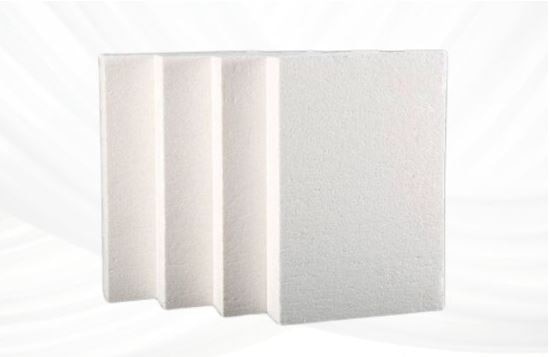 | Ceramic Product Unveiling the Excellence: Ceramic Products In the field of insulation materials, ceramic products play an important role in providing... View product → |
Frequently asked questions
How is an industrial furnace prepared before ceramic modules arrive?
Record the furnace length, width, height, operating temperature, atmosphere, burner arrangement, doors, ports, flues, roof transitions, and areas exposed to abrasion or impact. Clean and inspect the shell before installation begins.
How do installers plan ceramic module joints and lining selection?
Installers measure the furnace shell, identify operating zones and heat exposure, then select the lining and module arrangement for each zone. They plan staggered joints and account for openings, corners, roof transitions, and furnace movement.
How are ceramic modules fixed to a furnace shell?
Installers attach anchors to the prepared shell, position the ceramic modules against the lining layout, and secure each module so the blanket compression and joint pattern remain consistent.
How are burners, doors, ports, joints, and roof sections handled?
Installers cut and fit modules around each opening, reinforce vulnerable edges, seal joints, and adapt the layout at doors, ports, burners, flues, and roof transitions to prevent gaps and heat leakage.
How is a ceramic module furnace lining commissioned?
Commissioning includes inspecting module attachment, joints, openings, and exposed edges, followed by a controlled heat-up that removes moisture and checks the lining before full operation.
Related products
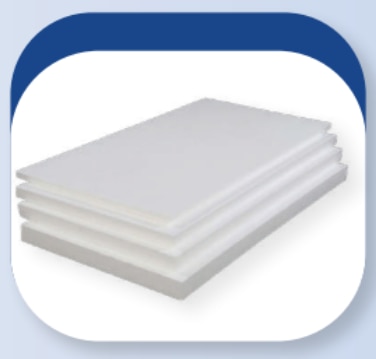 | Ceramic Fiber Board – Rigid High-Temperature Insulation Panel Ceramic Fiber Board – Rigid High-Temperature Insulation Panel Ceramic Fiber Board from Shiv Sales Corporation is a strong, lightweight, and high-temperature insulation panel designed for furnaces, kilns,... View product → |
 | Ceramic Product Unveiling the Excellence: Ceramic Products In the field of insulation materials, ceramic products play an important role in providing... View product → |
 | Ceramic Product Unveiling the Excellence: Ceramic Products In the field of insulation materials, ceramic products play an important role in providing... View product → |
 | Ceramic Product Unveiling the Excellence: Ceramic Products In the field of insulation materials, ceramic products play an important role in providing... View product → |
Keywords