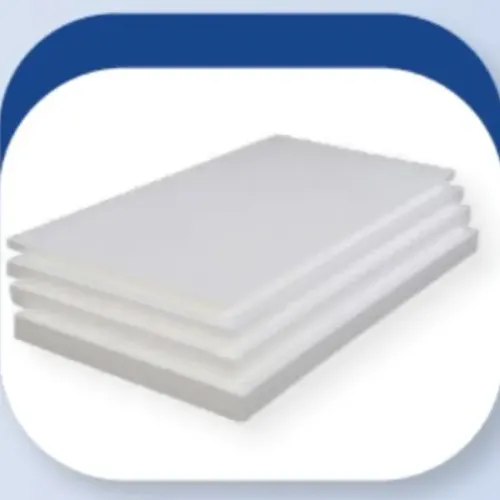


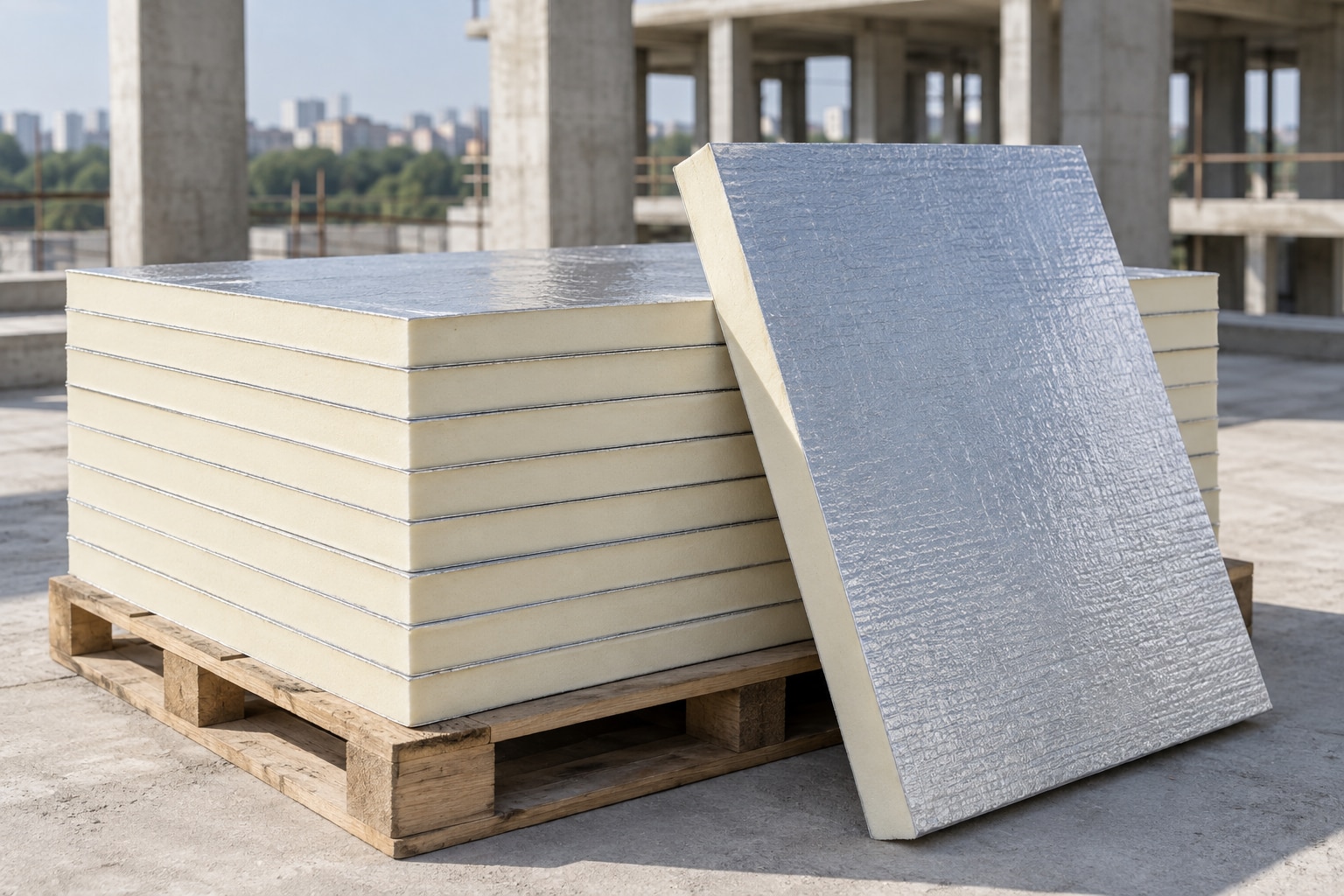
“APF board” is not a complete procurement specification: the same label can conceal different cores, densities, facings, test methods, and installation limits. By the end, you will know which technical documents to request, how to compare thermal and acoustic results, where the board belongs in a building, and how to evaluate a Delhi supplier on installed performance rather than price per sheet.
Key takeaways
- Confirm APF’s full name, composition, dimensions, density, and intended application.
- Compare thermal conductivity, sound absorption, and assembly test data—not product labels alone.
- Request fire classification, moisture resistance evidence, and installation details before approval.
- Choose a Delhi supplier who can support specification, delivery, and installation quality.
What should an APF board specification contain before you request a quote?
“APF board” is not a sufficiently precise material name. Before requesting a quote, ask the supplier to confirm the manufacturer’s expansion of APF and the product’s actual composition; do not let the supplier assume what the acronym means.
1. Request a lot-specific technical datasheet stating composition, nominal density, available thicknesses, board dimensions, thickness tolerance, dimensional tolerances, colour, facing material, edge profile, and permissible compression. Identify whether the facing is decorative or protective for exposed installation, or whether the board is unfaced for a concealed cavity.
2. State the intended installation: wall, partition, ceiling, duct enclosure, equipment room, roof, floor, or machinery enclosure. Ask for the lot number, certificate of conformity, storage instructions, and any limits on moisture, temperature, or exposure.
3. Confirm procurement quantities before comparing prices. Ask for usable coverage after edge treatment, expected cutting waste, damaged-board replacement terms, minimum order quantity, maximum stacking height, packaging type, and delivery condition. Require dry, intact wrapping and define rejection or replacement of wet, crushed, or contaminated boards.
For a Delhi construction buyer evaluating an apf board for insulation supplier in delhi, a listing that says only “APF board” and a thickness proves nothing about acoustic absorption, room-to-room sound insulation, thermal conductivity, moisture resistance, or fire classification.
Require those performance documents separately, with the test method and specimen construction identified; otherwise the quote describes a board, not a usable specification.
How do you compare APF board’s acoustic and thermal performance?
Sound absorption reduces reflected sound inside a room; sound insulation limits sound passing through a wall, ceiling, or partition. An absorption claim cannot predict room-to-room reduction because framing, air cavities, facings, joints, doors, and flanking paths control the tested assembly result.
| Evidence | Request | What it proves |
|---|---|---|
| Sound absorption | Coefficients by frequency, NRC where used, mounting condition, and ISO 354 or ASTM C423 report | How much incident sound the board absorbs |
| Sound insulation | Sound transmission loss, or transmission loss, by frequency band; assembly, framing, cavity, and lining details | How much sound the complete construction blocks |
| Thermal performance | Declared or design conductivity, mean test temperature, test method, service-temperature range, moisture condition, and design R-value | Resistance available under stated conditions |
For an apf acoustic insulation board in delhi, reject a catalogue statement such as “acoustic insulation” without the first two evidence sets. A laboratory absorption value does not equal a partition’s field sound reduction.
For an apf thermal insulation panel supplier, ask whether conductivity is a laboratory, declared, or design value. In a homogeneous layer, R = thickness ÷ conductivity, but choose thickness from the project target U-value and every wall or roof layer, not the product name.
Reduce the calculated allowance for joints, compression, fasteners, gaps, ageing, moisture, thermal bridges, and workmanship before approving the design.
Where can APF board be installed, and how should the assembly be detailed?
Use APF board in a stud-partition cavity with tightly fitted boards and sealed perimeter joints, or above an occupied room as part of a suspended-ceiling acoustic build-up. For HVAC ducts and plant-room enclosures, specify a protected, cleanable facing; machinery enclosures need vibration-resistant fixings. Equipment-room walls require sealed penetrations and serviceable linings.
Use it in roofs or floors only when compressive strength, moisture limits, and fire data support the complete build-up.
- Prepare a dry, flat substrate and confirm the approved assembly, vapour-control position, and fixing pattern.
- Cut boards with the manufacturer-approved knife, saw, or shears; do not tear or crush the edges.
- Fit boards tightly without gaps or excessive compression, then use the specified adhesive or mechanical fasteners.
- Stagger board joints between layers and seal joints, corners, perimeter gaps, and changes in plane.
- Install the vapour-control layer on the correct warm-side location for the project’s condensation conditions.
- Protect exposed boards with the specified lining, facing, or enclosure.
- Seal around pipes, cables, ducts, electrical boxes, doors, windows, service openings, and duct supports.
Verify roofs, floors, exterior walls, fire-rated partitions, ducts, generators, and industrial process areas through separate design evidence rather than a generic board claim. Check temperature range, facing durability, vibration, oil or chemical exposure, cleanability, and maintenance access. Unsealed gaps reduce acoustic performance; rigid bridges, back-to-back boxes, and unprotected penetrations can compromise fire compartmentation.
What fire and moisture evidence determines whether APF board is suitable?
A “fire-resistant” claim is not enough: require the APF board’s product reaction-to-fire classification, smoke-development information, flame-spread result where specified, maximum service temperature, and applicable test standard.
Record the exact facing, adhesive, binder, board thickness, density, joints, and specimen construction covered by the report. Product reaction-to-fire evidence describes the board; it does not give a fire-resistance rating for a complete wall, roof, duct, or partition assembly.
Delhi project teams must identify the applicable Indian code clause or project requirement before accepting evidence. Do not treat EN 13501-1, ASTM E84, and an assembly fire-resistance test as interchangeable labels: they answer different fire-performance questions.
For moisture suitability, request these documents:
- Water-absorption data and the test method
- Mould-resistance evidence
- Vapour-permeability value and test condition
- Permitted exposure limits for wet areas, condensation, exterior walls, below-grade locations, and continuously wet service
A dry concealed wall board is the wrong choice for persistent water exposure unless a tested system includes a waterproof facing and a defined drainage strategy. Wet boards can sag, lose thermal performance, support mould, and damage adjacent components.
Accept delivery only with dry, intact packaging. Inspect edges, store boards off the ground under weather protection, and reject material that is wet, crushed, or contaminated.
How should you choose an APF board supplier in Delhi for the installed result?
Choose the supplier whose documentation predicts the installed assembly, not the lowest board price. For any buyer planning to buy apf insulation board in delhi, put every offer into one comparison schedule and price the complete installation.
| Item | Evidence to compare |
|---|---|
| Thickness, conductivity, design R-value | Declared conductivity at a stated mean temperature, design R-value, and thickness tolerance |
| Acoustic result | Tested result for the proposed wall, ceiling, duct, or enclosure assembly, not a board-only absorption claim |
| Density and dimensions | Nominal density, board dimensions, permissible tolerances, and compression limits |
| Fire and moisture | Product classification, assembly evidence, service temperature, water absorption, vapour limits, and wet-service exclusions |
| Facing and accessories | Facing material and durability, adhesive, fasteners, tapes, sealants, trims, and protective lining |
| Installed quantity | Cutting allowance, edge treatment, expected wastage, and replacement quantity |
| Logistics | Delivery lead time, packaging, stacking height, dry storage requirements, and delivery condition |
| Commercial protection | Damaged-board replacement terms and the exact warranty scope, exclusions, and claim period |
| Industrial service | Vibration resistance, oil or chemical exposure, cleanability, facing durability, maintenance access, and operating temperature |
Reconcile every delivered batch number and dimension with the approved lot-specific technical datasheet and certificate of conformity. Sample-weigh or dimension-check boards when density or thickness is contractual; density alone proves neither acoustic nor thermal performance.
Ask Shiv Sales Corporation for the same evidence you request from competing Delhi sources, then compare documented assembly performance, supply reliability, and damaged-board replacement rather than catalogue language.
Related product
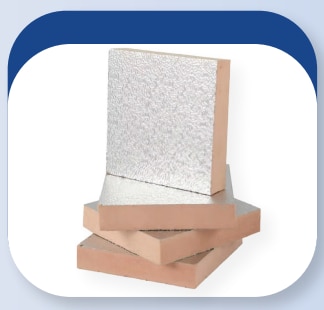 | APF Board – Advanced Acoustic & Thermal Insulation Panel APF Board – Advanced Acoustic & Thermal Insulation Panel APF Board from Shiv Sales Corporation is a premium-grade insulation panel engineered for superior acoustic and thermal performance. View product → |
Frequently asked questions
What should an APF board specification contain before requesting a quote?
Confirm the manufacturer’s expansion of APF, composition, thickness, dimensions, density, thermal conductivity, acoustic data, fire classification, moisture performance, facing, quantity, and delivery requirements.
How do you compare APF board’s acoustic and thermal performance?
Compare declared thermal conductivity at the same test temperature and thickness, then review sound absorption or sound reduction data for the complete wall, ceiling, or partition assembly.
Where can APF board be installed, and how should the assembly be detailed?
Use it only in assemblies covered by the manufacturer’s installation guidance, with tight joints, supported edges, sealed penetrations, compatible fixings, and protection from compression or water exposure.
What fire and moisture evidence determines whether APF board is suitable?
Request the product’s fire-test classification, test standard, report number, thickness tested, and moisture or water-resistance data that match the proposed assembly and site conditions.
How should you choose an APF board supplier in Delhi for the installed result?
Choose a supplier that provides traceable product documents, consistent batches, correct quantities, transport protection, technical guidance, and support for the specified installation.