Standard building insulation materials are not designed for every industrial environment. Furnaces, kilns, ovens, heat treatment equipment, and other high-temperature systems can operate at temperatures where conventional insulation is unsuitable.
Ceramic fibre blanket insulation is designed for specialized high-temperature applications where resistance to elevated temperatures and low thermal mass are important considerations.
What Is Ceramic Fibre?
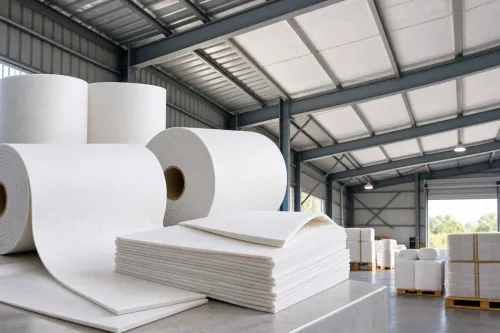
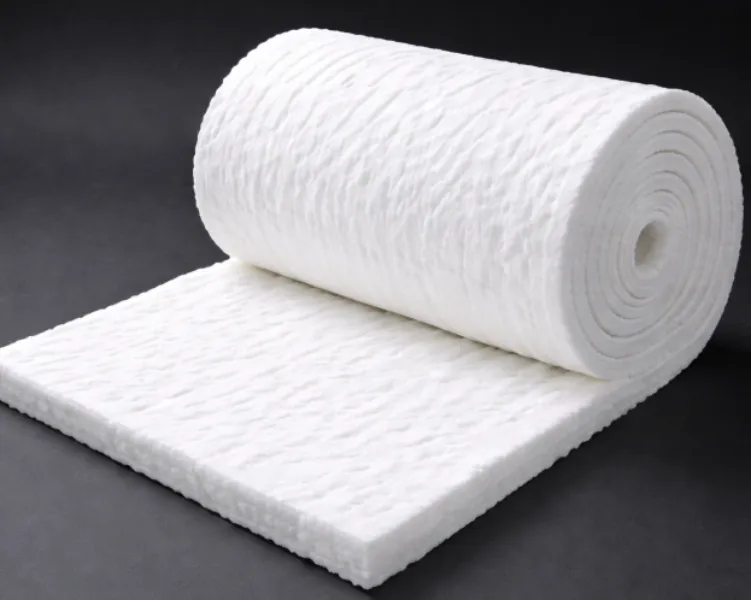
Ceramic fibre is a lightweight refractory insulation material manufactured from high-temperature-resistant fibres.
It is commonly supplied in flexible blanket form and can be available in different thicknesses and grades for specific operating conditions.
The product's suitability should always be evaluated against the actual operating temperature and application requirements.
Common Applications
Ceramic fibre blanket insulation may be used in:
- Industrial furnaces
- Kilns
- Ovens
- Heat treatment equipment
- Furnace doors
- High-temperature ducts
- Boiler areas
- Expansion joints
- Thermal barriers
The exact application determines the required product specification.
Why High-Temperature Insulation Is Different
Conventional building insulation focuses primarily on controlling heat transfer in walls, roofs, ceilings, and HVAC systems.
High-temperature industrial insulation has additional requirements. It may need to withstand repeated exposure to elevated temperatures while maintaining its intended physical and thermal properties.
This is why material selection should begin with the operating conditions.
Advantages of Ceramic Fibre Blankets
The blanket format can offer several practical benefits.
Lightweight Construction
Ceramic fibre blankets are relatively lightweight compared with many traditional refractory materials. This can help reduce the thermal mass of some equipment systems.
Flexible Installation
The blanket format can be adapted to selected curved or irregular surfaces.
Thermal Resistance
The material is designed for high-temperature insulation applications, subject to the specific grade and manufacturer's technical limits.
Ease of Handling
Compared with some rigid refractory systems, blanket materials can be easier to cut and install for suitable applications.
What Industrial Buyers Should Check
Before purchasing, establish:
- Operating temperature
- Maximum temperature exposure
- Required thickness
- Fibre grade
- Installation method
- Surface configuration
- Mechanical exposure
- Expected service conditions
- Maintenance requirements
Using a product outside its intended operating range can reduce performance and service life.
Ceramic Fibre vs Rockwool and Glasswool
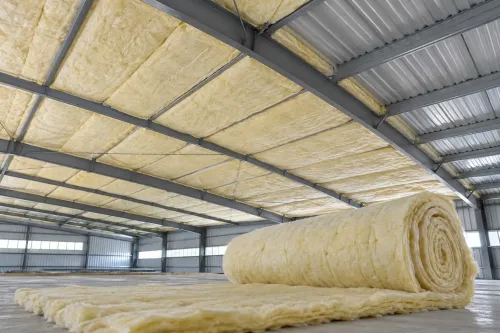
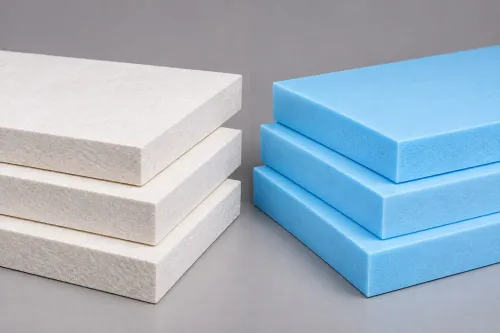
Rockwool and glasswool are commonly used for many building and industrial insulation applications, but they should not automatically be substituted for ceramic fibre in high-temperature environments.
Ceramic fibre is specifically associated with elevated-temperature applications. Rockwool and glasswool may be more appropriate for roofs, walls, ceilings, HVAC systems, and general industrial thermal insulation, depending on product specifications.
The correct choice therefore depends on temperature and application rather than simply comparing prices.
Delhi's Industrial Requirements
Manufacturing and engineering facilities across Delhi and NCR can include equipment operating under a wide range of thermal conditions. Industrial buyers should provide detailed application information when sourcing specialized insulation.
Shiv Sales Corporation supplies insulation materials for different commercial and industrial requirements, including products intended for specialized thermal applications.
Ceramic fibre blanket insulation is most effective when its grade, thickness, and installation method are selected according to the operating environment. A clear technical specification before purchase helps contractors and industrial buyers avoid material mismatches and improve installation planning.
Keywords