Choosing insulation for a commercial or industrial project can become difficult when several materials appear suitable. Rockwool insulation slabs and glasswool are both mineral fibre insulation options, but their physical formats and application characteristics can differ.
For architects, contractors, and industrial buyers in Delhi, understanding these differences can make product selection more practical.
Understanding Rockwool
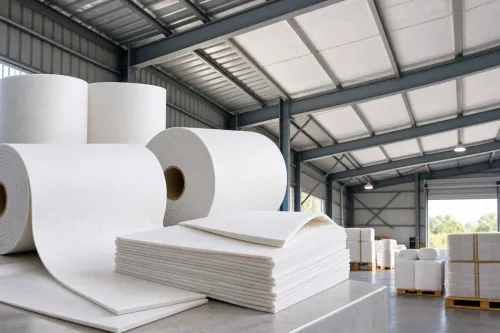
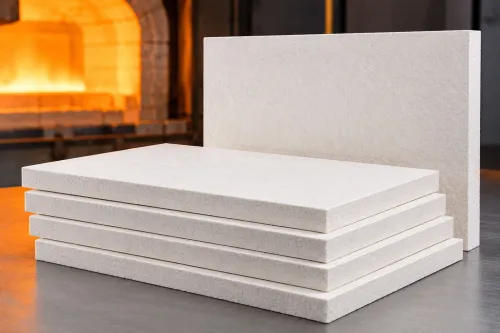
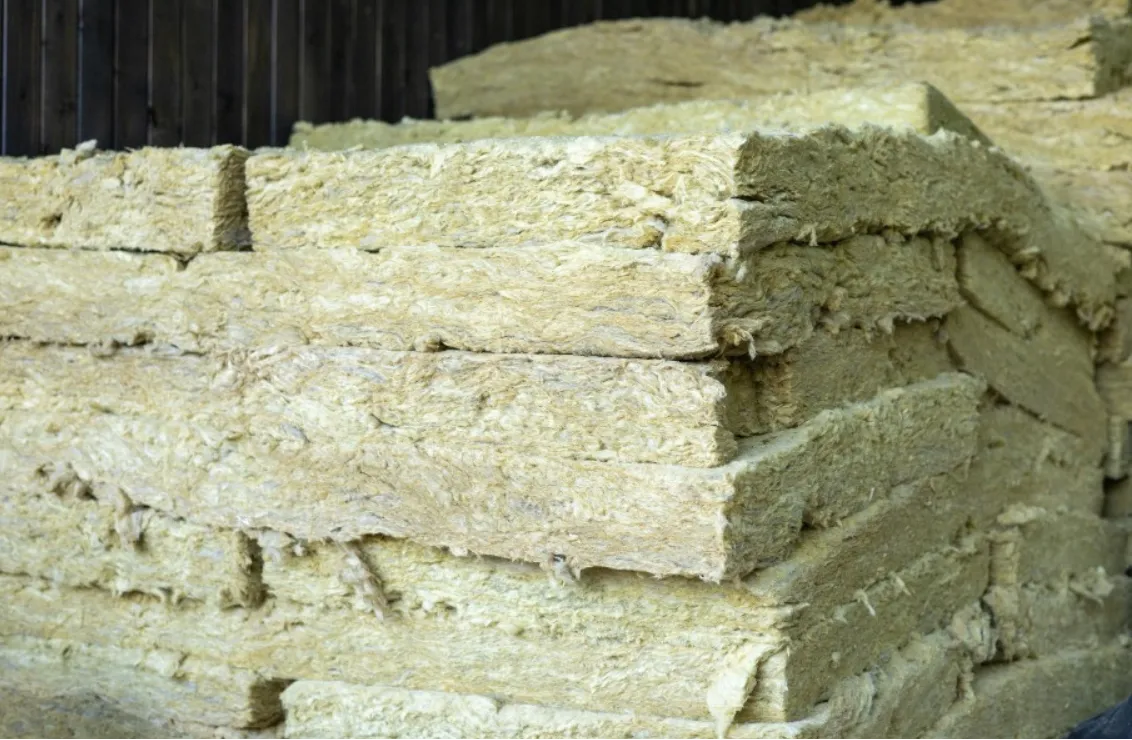
Rockwool is a mineral fibre insulation material made from mineral-based raw materials. It is commonly supplied in slabs and other forms.
The slab format provides a defined shape and can be useful where insulation needs to fit into a particular wall, partition, roof, or equipment assembly.
Understanding Glasswool
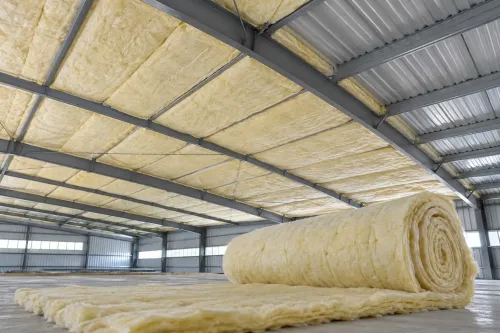
Glasswool is manufactured from fine glass fibres and is commonly supplied in rolls, blankets, and other formats.
Its flexibility can make it convenient for large surfaces, irregular spaces, roofs, ceilings, and certain HVAC applications.
The actual performance of any glasswool product depends on its density, thickness, thermal conductivity, facing, and installation.
Comparing Rigidity
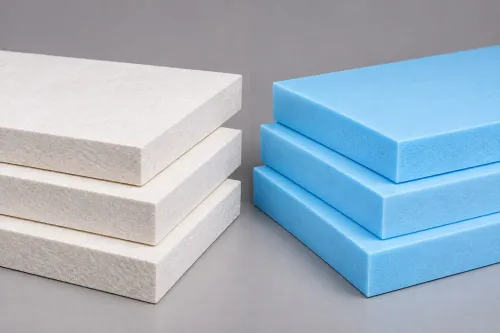
Rockwool insulation slabs generally offer a firmer form. This can be useful where dimensional stability is important or where a slab format fits the construction system.
Glasswool can be easier to adapt to spaces where flexible installation is preferred.
Neither characteristic automatically makes one material better. The correct choice depends on the construction requirements.
Thermal Performance
Both materials can provide effective thermal insulation when correctly specified.
Buyers should compare:
- Thermal conductivity
- Thickness
- Density
- Installation method
- Facing
- Environmental exposure
Comparing only the material name can result in an incomplete purchasing decision.
Acoustic Requirements
Commercial and industrial buildings may have both thermal and acoustic requirements.
Factories, machinery rooms, HVAC areas, and workshops can generate significant noise. Mineral fibre insulation can contribute to acoustic control when installed as part of an appropriate wall, ceiling, partition, or enclosure system.
However, acoustic performance depends on the entire construction assembly.
Installation Considerations
Rockwool slabs can be convenient for applications where a rigid or defined insulation piece is required.
Glasswool rolls and blankets can be practical for larger areas and spaces where flexibility is useful.
Contractors should consider:
- Cutting requirements
- Fixing method
- Installation access
- Labour requirements
- Material handling
- Expected wastage
- Storage conditions
These factors can affect the overall project cost beyond the purchase price.
Which Is Better for Industrial Buildings?
There is no universal answer.
A warehouse roof may require a lightweight insulation system, while a plant room partition may benefit from a more rigid mineral fibre slab.
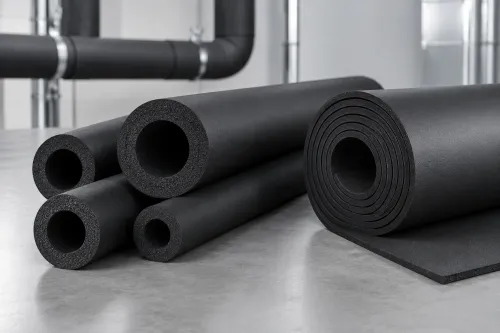
Similarly, HVAC equipment may require a completely different insulation configuration.
The most suitable approach is to evaluate each building zone according to its actual requirements.
Delhi Project Requirements
Commercial and industrial projects across Delhi and NCR vary substantially in size and construction type. Local material availability can also influence project schedules, especially for large installations.
Shiv Sales Corporation supplies insulation products for building and industrial applications, helping contractors and project teams compare materials according to the intended use.
Rockwool insulation slabs and glasswool should therefore be evaluated based on thermal performance, format, installation practicality, acoustic requirements, environmental conditions, and project specifications. A material-led approach is less effective than starting with the performance requirement and then selecting the appropriate product.
Keywords