Controlling heat transfer is important in buildings where temperature affects comfort, equipment, stored products, or energy consumption. Rockwool thermal insulation is one mineral fibre option used in commercial and industrial environments.
Its suitability depends on the product specification, application, thickness, density, installation method, and the surrounding construction.
How Rockwool Helps Control Heat
Rockwool contains a fibrous structure that helps resist heat movement. When installed correctly, it can reduce the rate at which heat passes through a building element or insulated system.
Applications may include:
- Industrial buildings
- Warehouses
- Commercial properties
- Plant rooms
- Roof assemblies
- Partition systems
- Equipment areas
- HVAC environments
The selected product should match the actual thermal requirements.
The Complete Assembly Matters
Insulation should not be considered separately from the rest of the building.
Thermal performance can be influenced by:
- Insulation thickness
- Thermal conductivity
- Roof or wall construction
- Air leakage
- Solar exposure
- Ventilation
- HVAC efficiency
- Occupancy
- Operating hours
Therefore, installing rockwool does not guarantee a specific energy saving or indoor temperature. The material is one component of the overall thermal system.
Why Slab Formats Can Be Useful
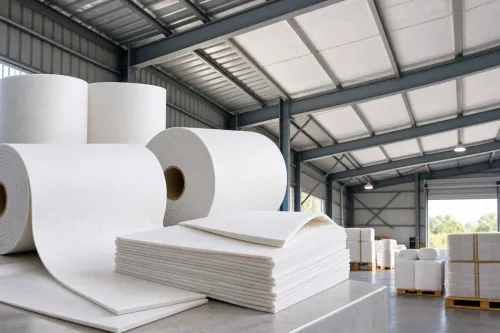
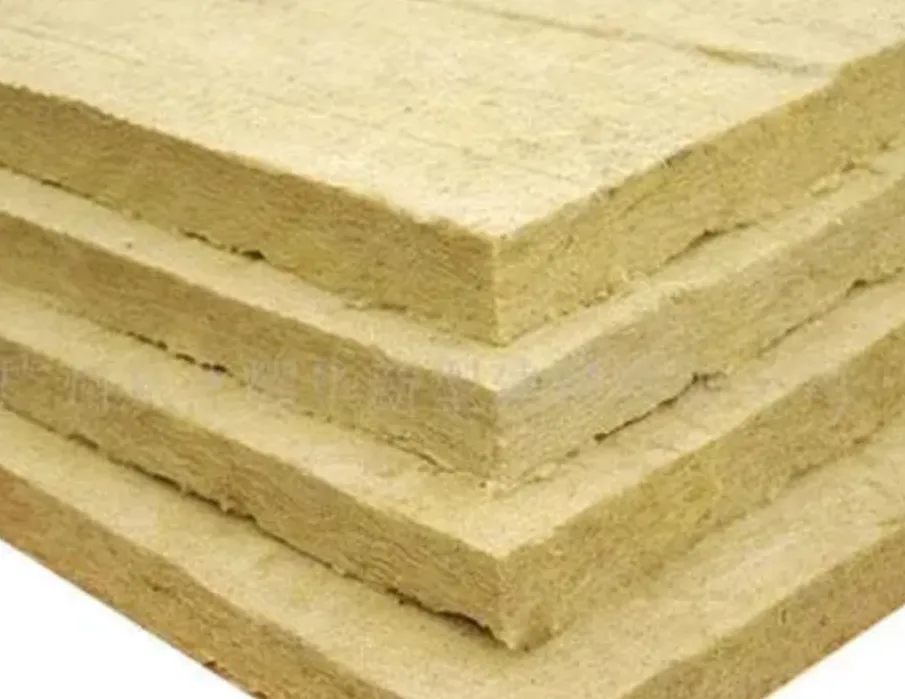
Rockwool insulation slabs provide a defined physical format.
This can be useful for walls, partitions, equipment areas, and other applications where maintaining consistent insulation thickness or shape is important.
For contractors, slab dimensions can also influence cutting, fixing, labour, handling, and material wastage.
Thermal and Acoustic Benefits
Many industrial environments need both temperature and noise control.
Machinery, compressors, ventilation equipment, and production systems can create high noise levels. Mineral fibre insulation can contribute to sound absorption when installed within a properly designed assembly.
The final acoustic result depends on the complete system, including wall layers, openings, structural connections, and doors.
Fire-Related Considerations
Commercial and industrial projects often include specific fire performance requirements.
The selected insulation should be evaluated according to the relevant project specifications and product documentation.
This is particularly important in facilities where workers, machinery, electrical systems, or high-temperature processes are present.
Where Rockwool Can Be Considered
Rockwool thermal insulation may be appropriate where a project requires:
- Mineral fibre insulation
- Slab or defined formats
- Thermal resistance
- Potential acoustic contribution
- Application-specific fire performance
- Compatibility with commercial or industrial assemblies
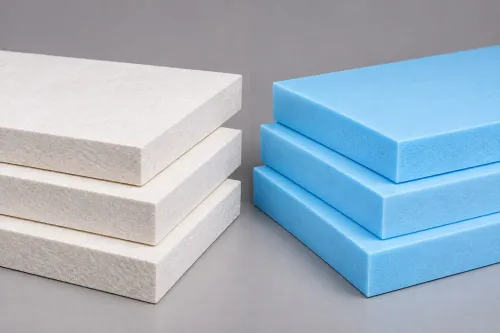
Other materials may be more suitable in certain applications. XPS boards, glasswool, reflective insulation, and ceramic fibre each have different characteristics.
Choosing Rockwool in Delhi
Delhi and NCR include factories, warehouses, offices, institutional buildings, and commercial facilities with different insulation requirements.
For large projects, reliable material availability and coordination can be important to maintain construction schedules.
Shiv Sales Corporation supplies insulation materials for commercial and industrial applications, helping project teams evaluate suitable products according to the intended installation.
Rockwool can provide useful thermal insulation characteristics, but its effectiveness depends on proper specification and installation. Choosing the correct thickness, density, format, and installation method is essential to achieving the expected performance.
Keywords